Key Takeaways
- Specialized bus protection is a must because standard auto policies do not cover the risk of carrying many riders.
- Volunteer driver coverage and faith-based discounts can cut liability costs for church ministries by a large amount.
- Business charter lines must hold at least $5 million in liability coverage to meet federal travel rules.
When operators budget for a new or used bus, insurance often slides further down the checklist until something goes wrong. But the right coverage may make or break you down the road. It helps you stay in compliance, of course, but the right bus insurance is more about protecting your riders, your assets, and your operation’s future. In 2025, here’s what experienced fleet owners know, so you don’t have to learn it the hard way.
What Is Bus Insurance, What Types Exist, and What Does It Cost?
Buying a bus can feel stressful when you look at the legal rules. Your choice of plan can keep you up at night. Business auto coverage is a must. It is the financial shield that protects your riders, your driver, and your vehicle. Standard auto insurance won't cover a passenger bus. The cost risk of carrying many people is simply too high.
What types of insurance are available for buses? A basic policy includes liability for injuries, collision to repair your own bus, and comprehensive coverage. How much does bus insurance cost? Smaller passenger vans typically cost $1,200 to $2,500 a year to insure for daily church use. Commercial tour coaches can cost over $8,000 per year. Here's how you can save: maintain an active safety program and hire CDL (Commercial Driver's License — the professional license needed for large vehicles) drivers to keep costs low.
Comparing Bus Insurance Coverage Types
When you look at different coverage plans, you can easily feel stuck and confused. Here's a quick guide to help you find the right policy for your needs. The right plan ensures that you protect both your drivers and your physical assets on every trip.
Coverage Type | What It Covers | Who Needs It | Typical Cost Factor |
|---|---|---|---|
Liability Insurance | Third-party bodily injury and property damage | Every bus owner (legal mandate) | High (primary premium driver) |
Collision Insurance | Physical damage to your bus from accidents | Owners of financed or high-value units | Moderate (based on vehicle book value) |
Comprehensive Insurance | Non-collision damage (theft, weather, fire) | All operators (highly recommended) | Low to Moderate |
Medical Payments / PIP | Medical costs for your driver and passengers | Municipal and non-profit operators | Low (standard policy add-on) |
Uninsured Motorist | Costs if hit by an uninsured driver | All operators (essential protection) | Low (inexpensive peace of mind) |
- Liability insurance — the basic plan required by law that pays for injury and property damage to others if your driver causes a crash.
- Collision insurance — the physical damage plan that pays to repair or replace your bus if it hits another vehicle or object.
- Comprehensive insurance — the plan that covers damage to your bus from non-crash events like fire, theft, storms, or wild animals.
- Medical payments or PIP — PIP (Personal Injury Protection — a plan that pays medical bills for your driver and riders no matter who caused the crash).
Uninsured motorist coverage — the safety net that covers your costs if your bus is hit by a driver who lacks active insurance.
Church Bus Insurance: Coverage for Volunteers and Faith-Based Ministries
Group trips for youth events or senior outings can feel stressful. It is normal to worry about liability, especially when you rely on volunteer drivers. Safety is your top priority on every trip. You must make sure your policy includes volunteer driver coverage, which protects amateur drivers when they operate church vehicles.
Many insurance companies offer faith-based discounts to churches. These discounts can cut your annual costs by 10% to 15% if you establish strict driver safety rules. The bottom line is passenger capacity. A bus with 15 or fewer passenger seats allows you to bypass CDL rules. This makes finding volunteer drivers much easier.
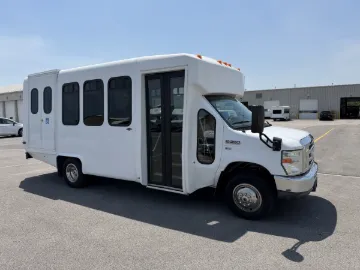
To find church vehicles, explore our dedicated church buses page. You can check out compact options on our mini buses category page to find the perfect fit. A standard passenger shuttle like a used Goshen Coach is a great option. Most church leaders find that smaller shuttles are easier to insure. They fall into lower weight and seating tiers.
School Bus Insurance: Fleet Coverage and District Liability
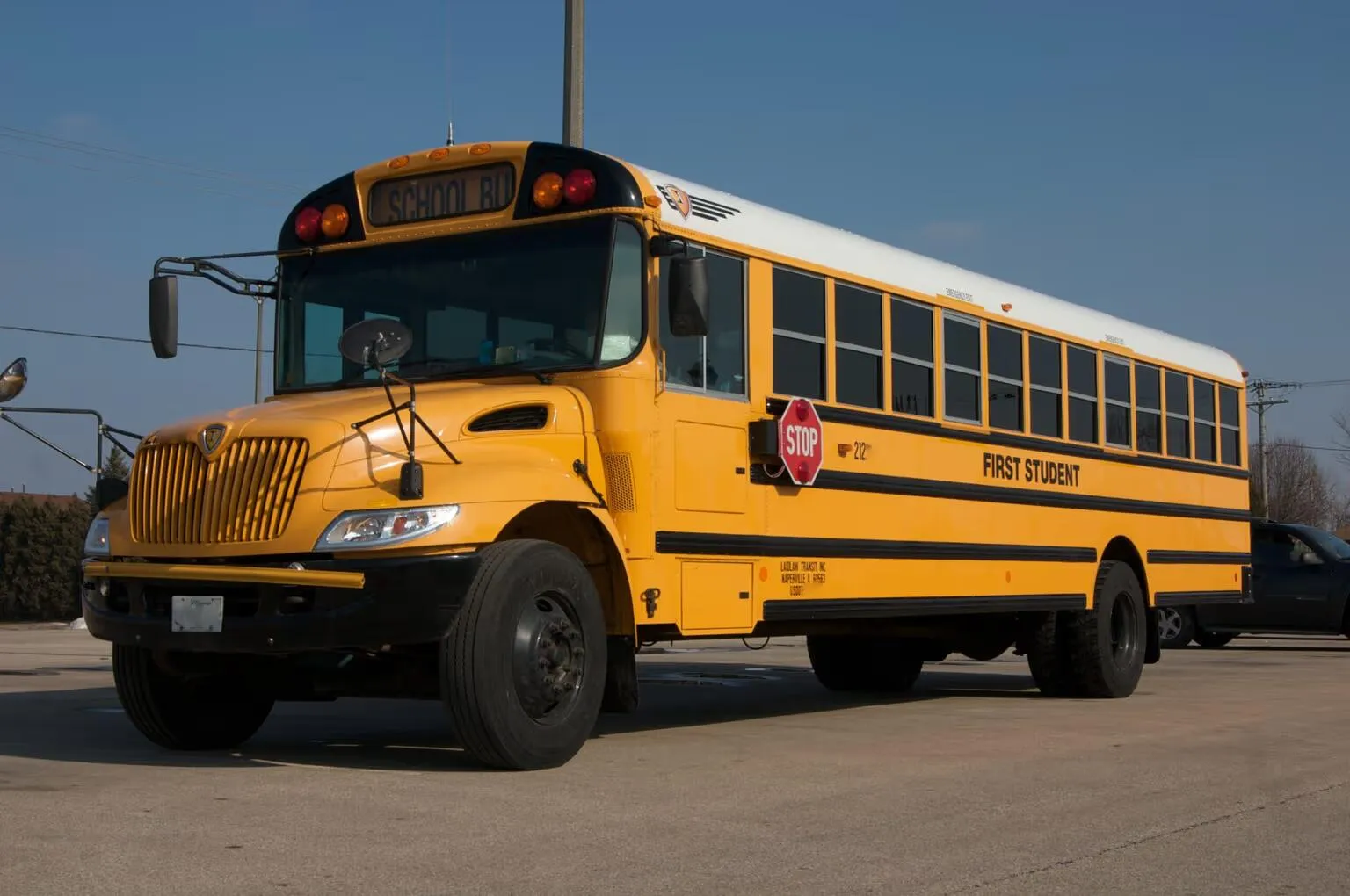
School fleet operations can feel highly stressful when you manage student safety daily. It is normal to feel overwhelmed by liability limits and driver rules. Safety compliance is a must. Most schools secure broad fleet coverage. This coverage bundles physical damage and liability protection under a single, simple policy.
The bottom line is driver certification. In other words, you must verify that all drivers hold an active CDL. This license must include passenger and school bus endorsements. It ensures they passed federal background and medical exams. If you want to expand options, browse our school buses category page.
For instance, a retired 54-passenger diesel school bus like a 2013 International CE (often listed for around $12,800 to $13,500) typically falls into high GVWR classes. This increases liability limits but provides unmatched safety. To find compliance rules, visit our summer camps and youth program buses page. Read more tips in our ADA compliant buses guide.
Skoolie Insurance: Personal Use and RV Conversion Policies
When you convert a school bus into a mobile home, you start an amazing adventure. When you look for an insurance company for your DIY project, the search can feel like a stressful struggle. It is normal to feel worried when traditional carriers turn you away. Business auto policies won't work. You must navigate the shift from commercial auto classes to personal RV conversion plans. This process is often complex and confusing.
Most carriers require professional certification. In other words, you need to prove your vehicle features permanent living facilities. These features include a built-in stove and toilet. Insurers require these before they will approve liveaboard coverage. To start your DIY project, check our skoolie conversions category page.
A retired school bus conversion candidate typically costs $500 to $1,200 a year to insure as a registered RV. These candidates are often priced between $10,000 and $15,000 depending on mileage and frame condition. This type of plan offers huge savings compared to commercial rates. That said, you must keep all conversion receipts and photos to prove the vehicle's value to your insurer.
Charter and Fleet Insurance: Commercial Liability and DOT Compliance
Business charter operators and corporate fleet managers face an exhausting full-time job. It is natural to feel anxious about rising premium costs. Federal safety checks can easily sideline your vehicles. Interstate operators must comply immediately with all rules. The federal government mandates at least $5 million in public liability coverage for any interstate charter bus carrying 16 or more riders.
Passenger injury coverage is critical. That said, you can secure huge multi-vehicle fleet discounts by using tracking devices. These devices monitor driver speed and brake wear in real time. Browse touring options on our coach buses category page. View mid-size choices on our shuttle buses category page.
For example, a premium 56-passenger coach like a 2008 Setra S417 lists for around $85,000. A mid-size 33-passenger Ford F550 Glaval Entourage lists for $75,000. Both vehicles require specialized commercial plans. On top of that, explore high-end units on our limo party buses category page. When you compare dimensions and comfort features, you ensure that your policy matches your risk.
Typical Premium Ranges and Cost Evidence by Bus Type
Transport program budgeting can feel incredibly stressful when you do not know what ongoing costs to expect. It is normal to worry about hidden insurance fees that can eat into your resources. Insurance premiums vary widely. The bottom line is that your vehicle's use case, seating capacity, and driver experience determine your final premium price.
Here's what you can expect. A compact non-commercial vehicle typically costs $1,200 to $2,000 a year. A full-size commercial vehicle requires a premium of $4,000 to $8,000 per year. We compiled typical ranges to help you plan your budget.
These numbers reflect average rates for clean-record drivers and standard liability limits. That said, your actual quote depends on your state of operation and specific safety history. Requesting multiple quotes remains the most reliable way to find competitive pricing for your fleet.
- Mini buses — vehicles designed for under 15 passengers that typically cost $1,000 to $1,800 annually for non-profit organizations.
- Shuttle buses — mid-size transit units that cost $1,500 to $3,000 per year for commercial or campus transport services.
- School buses — district fleet units that average $2,000 to $4,500 annually depending on active CDL driver experience and safety records.
- Coach buses — premium interstate touring coaches that require $5,000 to $9,000 per year to meet the strict $5 million federal liability limit.
Frequently Asked Questions About Bus Insurance
How much does bus insurance cost?
The cost of bus insurance depends on seating capacity, usage, and driver history. A non-commercial mini bus typically costs $1,000 to $2,000 a year, while a heavy-duty commercial charter bus can cost between $5,000 and $10,000 per year. The bottom line is your vehicle's GVWR (Gross Vehicle Weight Rating — the maximum weight the bus can safely carry when fully loaded). Higher weight ratings and larger passenger capacities increase your risk, which directly leads to higher liability costs. Here's how you can reduce costs: maintain clean driving records and use driver safety rules.
What type of bus insurance do I need?
Your specific transport needs dictate the exact policy required. For example, if you run a business tour service, you must secure commercial passenger liability, which covers injury and property damage to others. That said, non-profit groups often need specialized volunteer driver coverage to protect non-professional drivers on the road. In other words, you must analyze your passenger capacity and vehicle weight to determine your legal rules. It's also normal to feel anxious about choosing the wrong policy, so comparing multiple coverage types is always a wise strategy.
Does CDL affect premiums?
Driver licensing has a direct and huge impact on your insurance costs. Standard business plans require any driver operating a vehicle designed for 16 or more riders to hold a valid CDL (Commercial Driver's License — the professional license needed for large vehicles). Insurers view CDL drivers as low-risk operators because they undergo strict medical and safety training. In other words, hiring non-CDL drivers for larger buses can cause your rates to spike. In other words, you can keep your drivers certified and fleet maintained to keep premium costs low.
What are church bus insurance requirements?
Church bus insurance requirements focus heavily on passenger liability and volunteer safety. If your ministry operates a bus carrying more than 15 riders, federal rules demand deep bodily injury protection. That said, many churches use smaller non-CDL vehicles to transport youth and senior groups. Here's the thing: you must make sure your policy includes medical payments coverage to pay for passenger injuries regardless of fault. It is completely normal to feel overwhelmed by these choices, but establishing clear driver safety rules helps you secure low rates.
What are skoolie insurance options?
When you insure a converted school bus, you must transition from commercial auto coverage to a personal RV (Recreational Vehicle — a mobile home classification) policy. Most traditional carriers won't cover DIY conversions due to safety concerns regarding custom electric and plumbing systems. To qualify for a personal RV policy, your bus must meet specific requirements, such as having permanent cooking and sleeping features. In other words, you need to document your entire build carefully. It is natural to feel frustrated when searching for skoolie insurance, but finding specialized brokers is your best option.
Match Your Insurance Plan with the Perfect Bus
Your insurance plan is a crucial part of the purchasing process, but finding the right vehicle is where your journey truly begins. Here's how we can help. Our team provides fully inspected, fleet-ready vehicles that meet all active safety standards. If you want to upgrade your current fleet, browse our inventory page. List your older unit on our sell your bus page to get cash. The bottom line is we support your transport needs from purchase to protection.

.webp)