The team fits. The bags don't.
That's an expensive thing to discover after you've bought a bus. On a listing, the passenger count looks generous. At the first away game, you've got coaches and a trainer to account for, someone has brought a cooler the size of a washing machine, and the equipment still needs to go somewhere.
A team bus has to carry the people who actually travel, with their gear, on the trips you actually make. It also needs a qualified driver you can count on. We'd start there, before choosing the bus or deciding what the team logo will look like down the side.
How many people are really coming?
Suppose your soccer club travels with 22 players. Two coaches come along, as do an athletic trainer and a team manager. You're at 26 passengers, plus the driver. The 24-passenger bus you were considering won't do it, even before the conversation about whether parents can ride along.
Ask the seller what the advertised capacity includes. Keep the driver separate in your own count until you've established whether they're included in the listing's number.
With a school bus, look closely at the seats themselves. A bench that accommodates smaller children won't necessarily take the same number of teenage athletes. NHTSA makes that distinction. Your basketball players don't get smaller because the listing says there's room for them.
Then bring a tape measure. Better yet, bring some equipment.
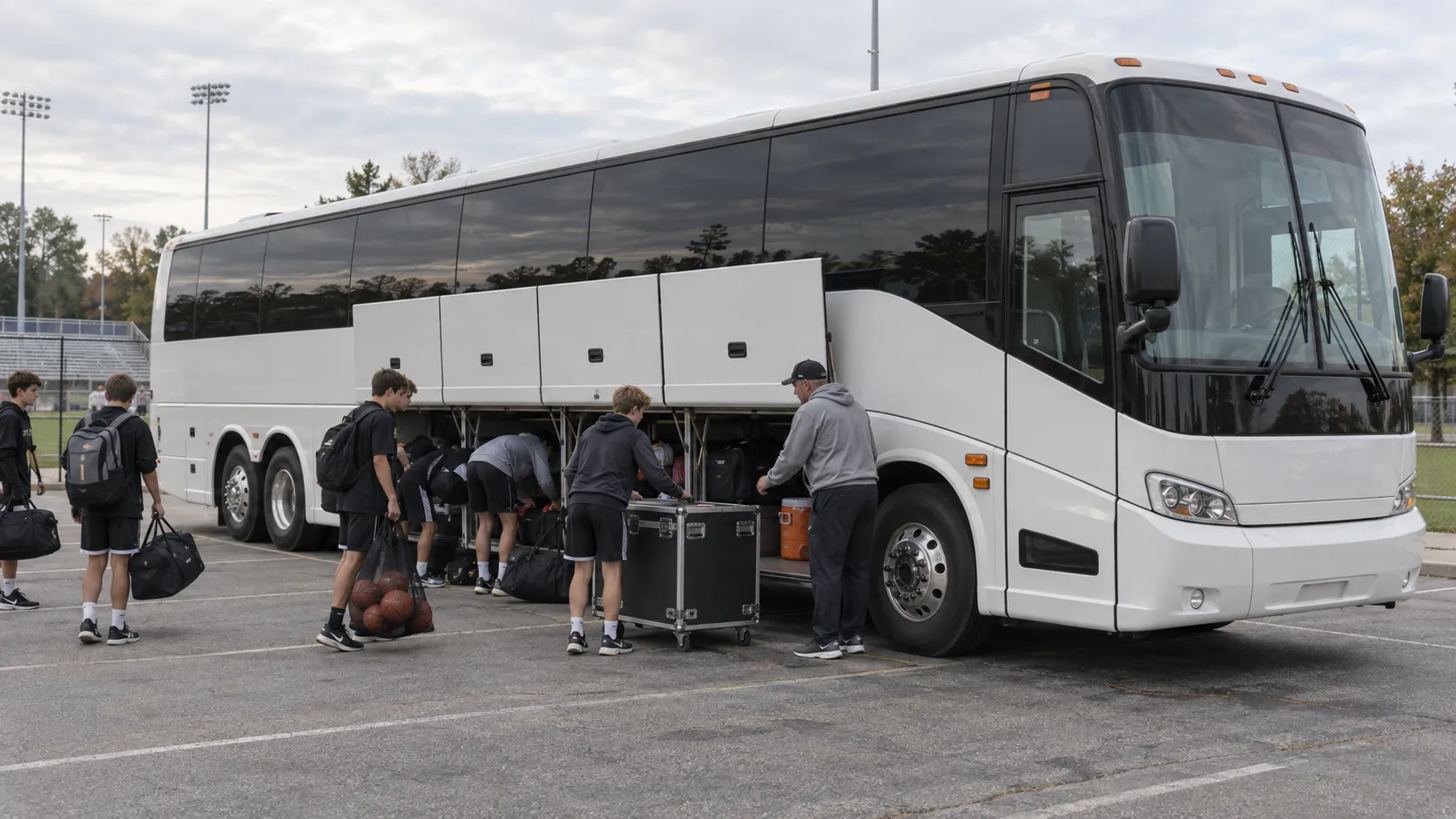
Check the storage openings against the largest bags and work out where everything will ride securely. A luggage compartment can look enormous until you try to get something through its door. The aisle and emergency exits need to stay clear, and the combined weight of passengers and gear needs to stay within the bus's limits. Have that checked as part of the inspection.
Buy for the trips on your calendar
A half-hour ride to a neighboring school asks less of the interior than a five-hour trip home after a loss. On the longer ride, seat spacing and working air conditioning become subjects on which everyone has an opinion.
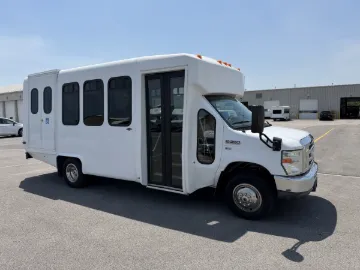
A school or school activity bus may suit local athletics, provided it's approved for your intended use. Check how your passengers fit and where their equipment goes. For a smaller squad making frequent local trips, a shuttle or cutaway is worth considering. Pay attention to how much seating remains once luggage space or wheelchair positions are accounted for.
For longer journeys, look at motorcoaches. Baggage bays and the seating arrangement may better suit the trip. Check the equipment on the particular coach, though. If it has a restroom, ask to see it working.
Wheelchair access deserves the same practical attention. Check the lift or ramp's capacity and the securement equipment. Work through boarding and the seating configuration with the people who'll use it. You'll also need to verify the ADA and any other accessibility requirements that apply to your operation.
Sharing the bus with other teams can help the purchase make sense. We'd compare calendars before putting those savings in a proposal. Soccer and volleyball may be delighted to share a bus right up until they need to leave in opposite directions at four o'clock.
Who's going to drive?
It's worth answering this before anyone pays a deposit. A willing coach with a clean driving record may still need a different license.
Under federal CDL standards, a vehicle designed to carry 16 or more people, including the driver, requires a commercial driver's license. Taking only 12 people this Saturday doesn't change the vehicle's designed capacity.
Weight is a separate trigger. A single bus reaches the threshold at 26,001 pounds or more, using its gross vehicle weight rating or actual gross weight, whichever is greater. A lighter bus below the Class A and B thresholds can require a Class C CDL because of its passenger capacity. Passenger endorsements and license restrictions need to match the vehicle too.
For school transportation, check school-bus endorsement requirements with your state licensing agency. And before choosing a vehicle for a school team, check what the school is allowed to use.
NHTSA's school-bus guidance includes school-related events, not only the morning route. Federal requirements govern sales of new buses intended for significant school use. States set vehicle-use requirements, including those relevant to used buses, and your district may have its own policy. A bus another sports club bought isn't proof that your school can use the same one.
Does buying beat chartering?
Possibly. You'll need more than the last charter invoice to find out.
Get written quotes for the trips you expect to make over a year, then cost out running your own bus on that schedule. Include a paid driver where needed, insurance and registration. Allow for fuel and maintenance, tires, repairs, and somewhere to park it. On longer trips, the driver may need a hotel room too.
And there will be days when your bus is in the shop. How will the team get to the game? Put that arrangement in the budget.
For a multiyear comparison, have the person who manages your finances account for financing costs and expected resale value. Don't count the purchase price twice by adding the full price to payments that repay it.
Regular use can make ownership attractive, especially if your organization already has qualified drivers and maintenance support. A handful of long trips each year may be better served by chartering. Buying a local-use bus and chartering a coach for the distant tournament is another option worth pricing.
We wouldn't tell you that buying pays off after a certain number of games. We'd want to see the schedule and the costs first.
Go and look at the bus
Buying used can lower the initial outlay compared with a comparable new bus. That leaves room in the budget only if you know what work the vehicle needs.
Have an independent technician who knows that type of bus inspect it before you commit. Service records are useful, when available, but current condition still needs checking. That includes corrosion, brakes and tires, along with the climate control and any accessibility equipment. Check title information and open recalls against the VIN.
Ask for a written estimate of anything that needs doing before the first trip. Allow time for insurance, registration and required inspections. Being available for sale doesn't mean a bus is ready for your team to take away next Friday.
Ask for the full delivered cost, too, with any agreed preparation and delivery charges spelled out. If something about the bus's condition is still unknown, keep that question open until you have an answer you can use.
Then spend some time inside it. Sit in the back row. Try the luggage doors with the bags you brought. Picture loading everyone after a wet game, when nobody is feeling particularly patient.
We help people move people.
You've got a team to get to the game. Tell BusesForSale.com how many people travel and what they bring. Give us your budget, where the bus needs to go, and when you need it. If you're unsure which type fits, we can help you work through the options and the questions still worth asking before you commit.
You can browse coach buses here for longer team trips. We'd suggest having that full traveling headcount beside you when you start.