Which Coach Bus Is Right for Your Operation?
When you're looking at coach buses for sale, the right class depends on your route length, passenger volume, driver situation, and how much your customers' in-coach experience drives repeat business. Coach purchases are rarely impulse decisions — the TCO commitment is significant and the wrong spec is expensive to correct. Here's how the main buyer types stack up.
Coach bus buyer-fit matrix by use case
| Buyer Type |
Recommended Coach Class |
Typical Budget (Used) |
Key Consideration |
| Charter operator |
Standard intercity coach (45–57 pass.) |
$80,000 – $300,000 |
DOT operating authority and FMCSA registration required before your first revenue trip. CDL Class B + P endorsement for all drivers. MCI and Prevost dominate used inventory and have the strongest parts networks nationwide. |
| Tour company |
Standard intercity or mid-size touring coach (35–57 pass.) |
$60,000 – $250,000 |
Amenity tier drives customer reviews — prioritize reclining seats, climate control, Wi-Fi, and restroom condition. Exterior condition matters for branding. High annual mileage makes Prevost H3-45 and MCI J4500 the dominant long-distance choices. |
| School & university |
Standard intercity coach (45–57 pass.) |
$60,000 – $200,000 |
ADA compliance may be required for public universities — confirm before purchase. CDL Class B + P endorsement required for drivers. Athletic department and field trip use puts high cycle counts on the vehicle; prioritize documented maintenance history. |
| Church & nonprofit |
Mid-size touring coach (35–45 pass.) |
$40,000 – $120,000 |
Older high-mileage units offer the lowest entry price, but budget for a pre-purchase inspection and a maintenance reserve. CDL Class B + P required — confirm your driver pool has the endorsement before you close. Resale value is modest at this price tier. |
| Private / executive buyer |
Converted entertainer coach or luxury motorcoach (40–45 ft) |
$100,000 – $600,000+ |
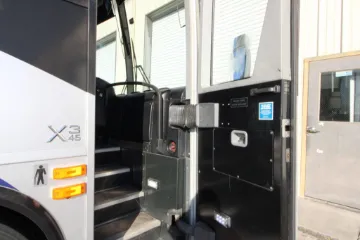
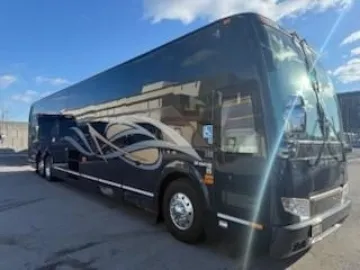
Prevost X3-45 and H3-45 are the standard platforms for custom conversion. Condition of the conversion — slides, plumbing, electrical, generator — matters as much as the coach chassis. Have a Prevost-specialist mechanic inspect before purchase. |
Coach Bus Classes: Capacity and Features
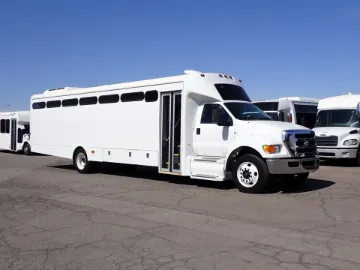
Coach buses are sold on amenity tier as much as seat count — the same 45-passenger capacity can mean a stripped intercity commuter or a fully appointed touring coach, with a $150,000 price difference between them. Before you evaluate any specific unit, it helps to know which class you're actually buying into.
Coach bus classes compared by capacity, features, CDL requirement, and used price range
| Coach Class |
Passenger Capacity |
Typical Length |
Standard Amenities |
CDL Required? |
Used Price Range |
| Standard intercity coach |
45 – 57 passengers |
40 – 45 ft |
Restroom, underfloor luggage bays, reclining seats, overhead storage, climate control; Wi-Fi and USB charging on 2015+ units |
CDL Class B + P endorsement required |
$60,000 – $350,000 |
| Mid-size touring coach |
35 – 45 passengers |
35 – 40 ft |
Restroom (on most units), reclining seats, luggage storage, climate control; amenity level varies significantly by builder and spec year |
CDL Class B + P endorsement required |
$40,000 – $180,000 |
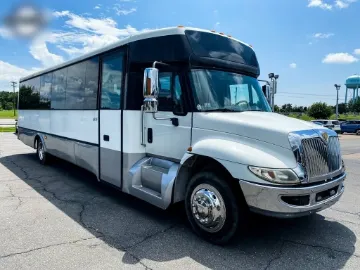
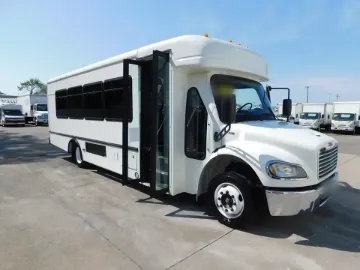
| Mini coach / high-end shuttle |
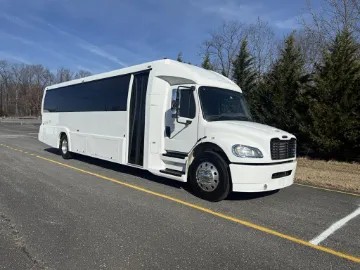
20 – 35 passengers |
28 – 35 ft |
Reclining or captain seats, climate control, Wi-Fi; restroom uncommon at this class unless custom-specified; executive interior finishes available |
CDL Class B + P endorsement required above 26,000 lbs GVWR |
$30,000 – $120,000 |
Amenity specifications vary significantly by model year and prior operator configuration. Always verify restroom condition, Wi-Fi system functionality, and luggage bay integrity in person — these are the highest-cost items to retrofit or repair after purchase.
Common Coach Bus Makes and Models
The used coach market is dominated by a small number of chassis manufacturers whose vehicles make up the majority of North American fleet inventory. When you're comparing used coach buses for sale, understanding the differences between these platforms will save you from buying the wrong bus at the wrong price.
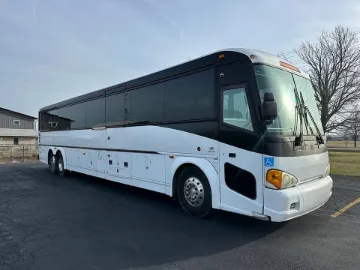
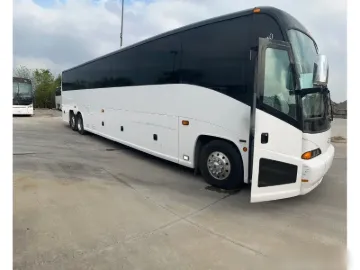
MCI J4500
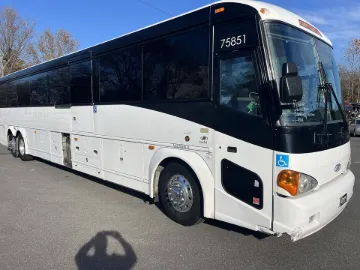
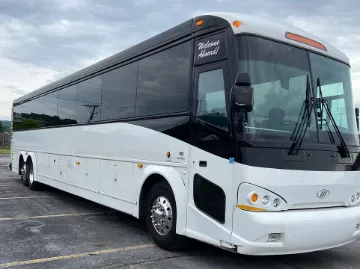
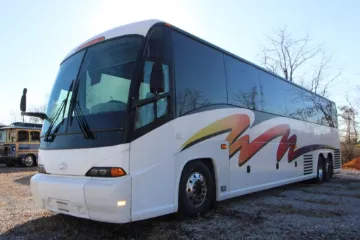
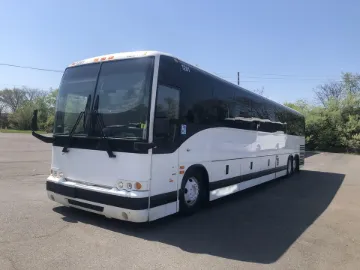
Motor Coach Industries' J4500 is the most widely operated intercity coach in North America — 56 passengers, 45 ft, with underfloor luggage bays, restroom, reclining seats, and Wi-Fi on 2010+ units. MCI's parts network and service center coverage is unmatched, making the J4500 the lowest-risk used coach purchase for operators new to the category. Used 2010–2018 examples typically run $80,000–$200,000. Best for: charter operators, tour companies, university transport.
MCI D4500
The D4500 is MCI's transit-style intercity coach — rear engine, low floor option, and a design optimized for high-cycle express and commuter routes. Seats 55–57 passengers across 45 ft. The D45CRT LE is the current clean-fuel variant. Used examples from the 2005–2015 era are available in the $60,000–$150,000 range and are particularly common in retired municipal and intercity fleet disposals. Best for: high-frequency charter routes, express operators, fleet buyers.
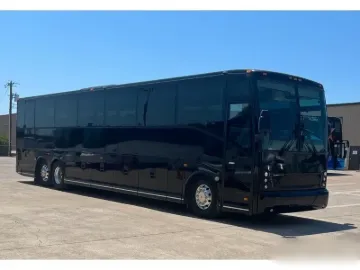
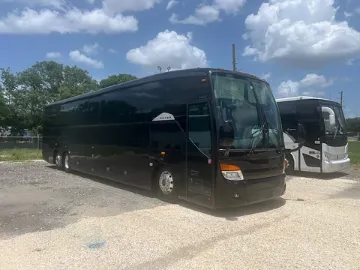
Prevost H3-45
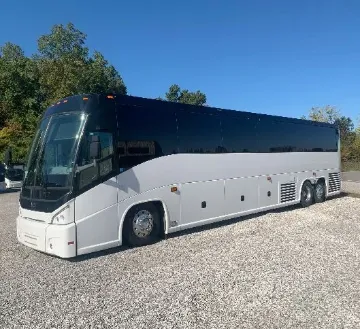
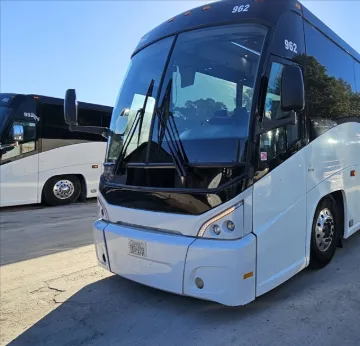
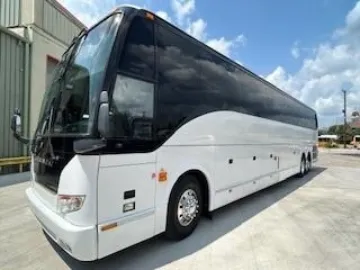
The Prevost H3-45 is the premium standard in North American motorcoach operations — 55 passengers, 45 ft, with the smoothest highway ride in the class and an interior build quality that holds up better than MCI under heavy touring use. Parts cost more than MCI equivalents and Prevost-certified mechanics are less universally available. Used 2010–2020 examples run $120,000–$350,000 depending on spec. Best for: established tour operators, luxury charter fleets, long-distance routes.
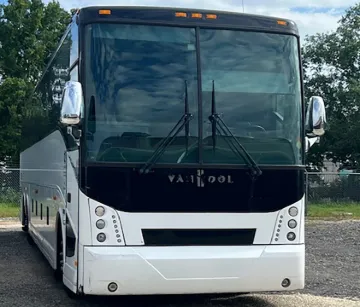
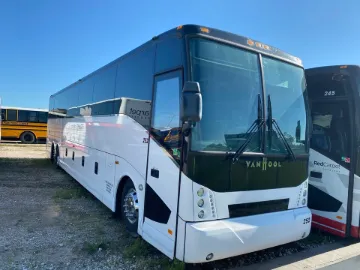
Van Hool CX45 / TX45
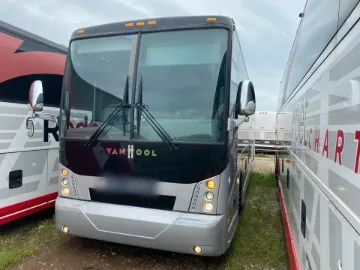
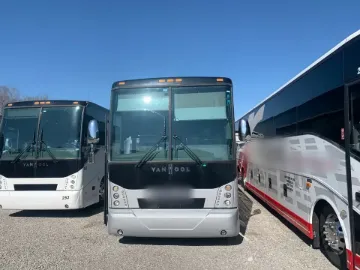
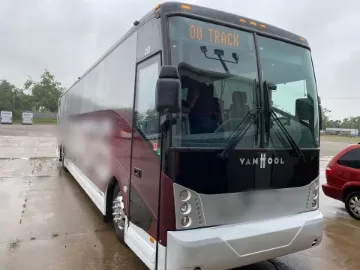
Van Hool's CX45 and TX45 are Belgian-built full-size coaches seating 55–57 passengers across 45 ft. The TX45 runs a standard touring configuration; the CX45 is a commuter-optimized variant with fewer amenities and higher passenger density. Both are well-regarded for structural quality and ride comfort. Parts sourcing outside major metro markets can be slower than MCI or Prevost. Used examples typically run $70,000–$200,000. Best for: tour operators, charter fleets.
Setra S417
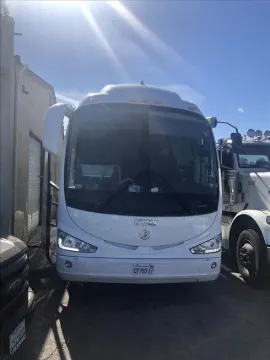
The Setra S417 is a German-engineered touring coach built on a Mercedes-Benz chassis, seating 49–55 passengers across 40–45 ft. It carries a reputation for exceptional build quality and passenger comfort — the preferred choice for premium European-style touring operations in North America. Parts and specialist service are more regionally concentrated than MCI or Prevost. Used examples run $80,000–$220,000. Best for: premium tour operators, executive charter fleets.
The Real Cost of Coach Bus Ownership
The purchase price is only the first number that matters. Before you buy a coach bus, you need a clear picture of what it costs to keep one running, compliant, and insured — because those annual costs will determine whether the unit makes financial sense for your operation.
Maintenance
Budget $15,000–$40,000 per year for scheduled and reactive maintenance on a standard intercity coach running 50,000–100,000 annual miles. Engine service, transmission fluid, brake overhauls, tire replacement (10–14 tires per coach, $400–$700 each), and air system maintenance are the recurring cost drivers. Older units — anything over 500,000 miles — compress that maintenance window significantly. A Prevost or MCI with a documented full-service history from a certified shop is worth paying a meaningful premium over an equivalent unit without one.
DOT and FMCSA Compliance
If you're operating for compensation, your business needs FMCSA operating authority (MC number) before your first revenue trip. Annual DOT vehicle inspections are required, and vehicles must display valid USDOT numbers. Driver qualification files, drug and alcohol testing programs, and hours-of-service recordkeeping are not optional — the fines for non-compliance exceed most operators' annual maintenance budgets. Build compliance setup costs ($500–$2,000 depending on whether you use a compliance consultant) into your launch budget.
Fuel and DEF Costs
A full-size coach averages 6–8 mpg on highway routes. At 75,000 annual miles, that's roughly 10,000–12,500 gallons of diesel per year. Add diesel exhaust fluid (DEF) for 2010+ EPA-compliant engines — typically 2–3% of fuel consumption volume. Factor both into your per-mile operating cost before pricing routes or charter contracts.
Insurance
Commercial coach insurance for a revenue-service operator typically runs $8,000– $20,000 annually per vehicle, depending on your routes, driver history, and liability limits. FMCSA minimum liability for passenger carriers is $5 million — most operators carry more. See the bus insurance types and coverage requirements guide for a full breakdown of what your policy needs to cover.
Financing and Resale
Commercial vehicle lenders typically require 10–20% down on coach purchases, with terms of 5–7 years. Interest rates vary significantly by your business credit profile and the age of the vehicle — lenders get conservative above 15 years old. On resale, Prevost and MCI hold value better than most other makes: a well-maintained 2015 MCI J4500 purchased for $180,000 will typically resell for $120,000–$140,000 five years later. Setra and Van Hool carry a thinner secondary market, which can affect both resale value and your ability to find a buyer quickly.
Frequently Asked Questions
How much does a used coach bus cost?
Used coach bus prices range from $40,000 for an older high-mileage unit to $600,000+ for a late-model Prevost or custom entertainer conversion. A solid operational MCI J4500 or Prevost H3-45 in the 2010–2018 model year range typically sells for $100,000–$250,000. Setra and Van Hool units often carry a slight discount versus MCI/Prevost due to thinner parts availability outside major markets.
Do I need a CDL to drive a coach bus?
Yes. All full-size and mid-size coach buses require a CDL Class B with a Passenger (P) endorsement. If you're operating for compensation as a passenger carrier, your drivers also need to meet FMCSA driver qualification requirements — medical certificates, drug and alcohol testing enrollment, and motor vehicle record checks. Confirm your entire driver roster is compliant before your first revenue trip.
How much does it cost to maintain a coach bus?
Budget $15,000–$40,000 annually for a standard intercity coach running 50,000– 100,000 miles per year. Major cost drivers include tires ($400–$700 each, 10–14 per coach), engine service intervals, brake overhauls, and air system maintenance. Older units over 500,000 miles compress the maintenance window significantly. A documented service history from a certified shop justifies a higher purchase price.
What's the difference between MCI and Prevost?
Both are the dominant North American coach platforms — but they serve different operators. MCI (Motor Coach Industries) has the wider parts network and service center coverage, making it the lower-risk choice for operators outside major metros. Prevost's H3-45 delivers superior ride quality and interior durability, and is the preferred platform for premium touring and conversion work. Prevost parts cost more and certified mechanics are less universally available.
Can I finance a used coach bus?
Yes — commercial vehicle lenders and equipment finance companies regularly finance used coaches. Expect to put down 10–20% and qualify on your business credit profile and operating history. Lenders get conservative on vehicles over 15 years old or above 600,000 miles. Some manufacturers and large dealers offer in-house financing programs. Having FMCSA operating authority in place before you apply strengthens your application.
Is buying a used coach bus better than buying new?
For most operators, yes. A 2015–2018 MCI J4500 or Prevost H3-45 with 400,000– 600,000 miles and a clean maintenance history delivers most of its useful service life at 40–60% of new cost. New coaches make sense when warranty coverage, custom spec requirements, or consistent fleet branding justify the premium. For a first coach purchase, a well-documented used unit from a known operator is a lower-risk entry point than a new chassis with no service history yet.