

Passenger Vans
Buying a used passenger van starts with seat count, driver licensing, route length, and accessibility needs.
- Best fit: Churches, nonprofits, schools, hotels, camps, teams, and small group transport.
- Budget: Often $18,000-$65,000 depending on make, mileage, seating, and ADA equipment.
- Check: Seat belts, tires, brakes, service records, lift function if equipped, and passenger rating.
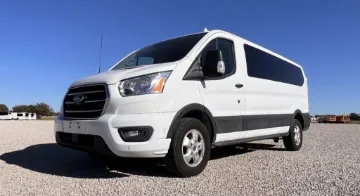
2020 Ford Transit T350 Passenger Van
The 2020 Ford Transit T350 Passenger Van offers a spacious interior designed to accommodate up to 10 passengers while ensuring comfort and convenience. This versatile vehicle features a powerful 3.5L V6 engine, making it an excellent choice for anyone needing reliable transportation.
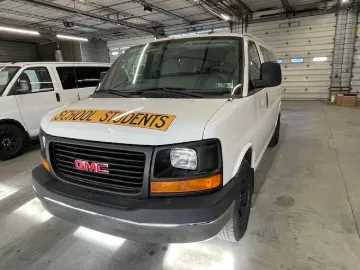
2014 GMC Savana School Van
2014 GMC Savana School Van with a gasoline V8, automatic transmission, first aid kit, roadside emergency kit, school stickers and more.
One owner and recently retired from daily school bus fleet use. Six matching units in stock and ready to ship.
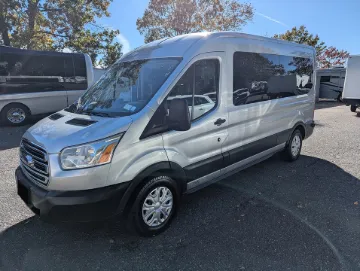
2015 Ford Transit 350 XLT Passenger Van

2019 Ford Mobility Works Passenger Van
Discover reliable and efficient passenger transport with the 2019 Ford Mobility Works Transit Bus. With miles, this vehicle is ideal for high cycle transit, city route service, and dedicated stop-and-go operations. The robust 3.7L V6 engine and smooth 6-speed automatic transmission deliver consistent performance, making it perfect for moving commuters, employees, students, and jobsite workers safely and comfortably. Its spacious layout is designed for maximum rider flow, streamlining boarding and disembarking during busy city or campus runs.
Ford is renowned for its durability and engineering, providing peace of mind for public transit authorities and organizations. The Mobility Works upfit ensures this Transit Bus is tailored for optimal passenger service, offering a trusted platform for daily operations.
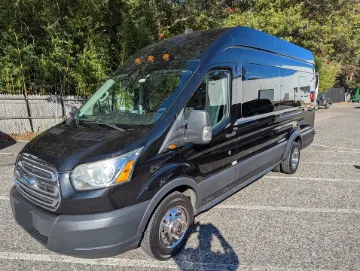
2015 Ford Transit T350 High Top Passenger Van
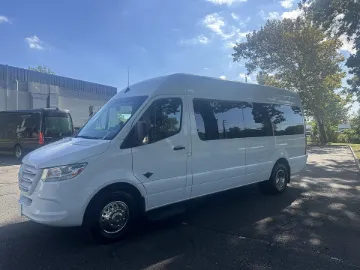
2022 Mercedes Benz Sprinter 3500 XD LA West Passenger Van
The 2022 Mercedes Benz Sprinter 3500 XD LA West Passenger Van is a fleet-ready, 15-passenger van designed to meet the demands of private student transportation. With its sleek white exterior and sophisticated black interior, this vehicle offers a comfortable and reliable ride for both drivers and passengers. Its automatic transmission and low mileage of 69,900 miles ensure that it is ready to hit the road, making it an ideal choice.
Mercedes is renowned for its high-quality craftsmanship and attention to detail, particularly in the realm of luxury and specialty vehicle conversions. This reputation assures buyers that they are investing in a vehicle that combines durability with style, providing peace of mind and long-term value for any transportation service.
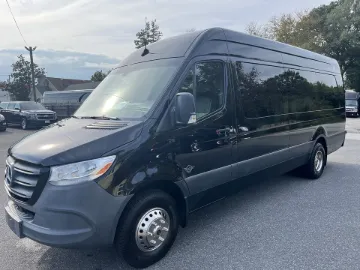
2019 Mercedes-Benz Sprinter Passenger Van
Elevate your fleet with the 2019 Mercedes Benz 3500 LA West Sprinter, tailored for premium charter and tour-ready experiences. With its distinguished black and white exterior, this Sprinter is designed to deliver superior over-the-road comfort for up to 8 passengers, making it the ideal choice for tour attendees, college students, athletic teams, and travelers seeking a first-class journey. The reliable diesel engine and automatic transmission ensure smooth, efficient travel, while the flexible interior is thoughtfully arranged to maximize passenger comfort and accessibility. Ample luggage capacity allows every group to travel with ease and convenience, whether shuttling to sporting events, university outings, or group tours.
Mercedes Benz is renowned for its engineering excellence, uncompromising safety, and luxurious ride quality. The iconic Mercedes Benz badge promises both cutting-edge technology and refined style, ensuring every journey is as enjoyable as the destination.
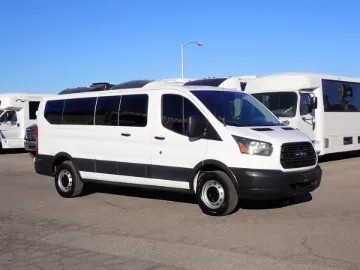
2016 Ford Transit 350 Passenger Shuttle Bus
The 2016 Ford Transit 350 Passenger Van is a versatile and fleet-ready vehicle, perfect for universities and churches seeking reliable transportation solutions. With seating for 14 passengers and powered by a robust 3.7-liter V6 gas engine, this shuttle is ideal for efficiently moving students across campus or transporting congregants to church events. Its clean vinyl seats, backup camera, and overhead ducted A/C ensure comfort and safety, making it a smart choice for any organization looking to enhance their mobility without breaking the budget.
Ford is renowned for its commitment to durability and innovation, providing vehicles that are both reliable and cost-effective. This reputation ensures that buyers can trust in the longevity and performance of their purchase, making the Ford Transit 350 a wise investment for those needing a dependable van for their transportation needs.
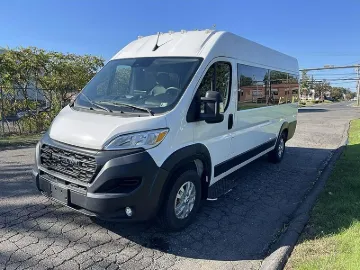
2024 RAM Promaster 3500 Passenger Van
The 2024 RAM Promaster 3500 is a versatile and efficient vehicle ideal for various transportation needs. This model is equipped to handle a range of tasks, ensuring that it meets your specific requirements with ease.
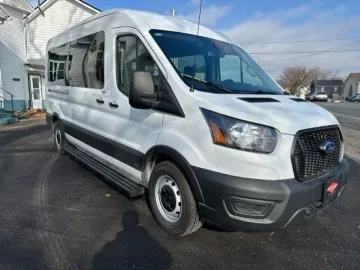
2025 Ford Transit ADA Passenger Van
The 2025 Ford Transit ADA Passenger Van is a fleet-ready solution designed for special education transport, meeting ADA compliance with ease. This van accommodates up to six passengers and two wheelchair users, making it an ideal choice for ensuring the safety and comfort of children during transportation. Powered by a 3.5L Flex Fuel V6 engine and an automatic transmission, it promises reliable and efficient shuttle conversion for daily use.
Ford's reputation for quality and innovation ensures that their vehicles, including this model, are both durable and efficient. Buyers can trust in the long-term reliability and performance of this van, backed by a full factory and OEM warranty, providing peace of mind and enhancing the organization's reputation among parents and the community.
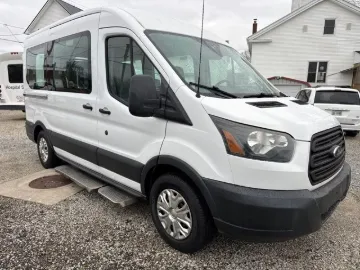
2016 Ford Transit 150XL ADA Passenger Van
The 2016 Ford Transit 150XL Wheelchair Accessible Van is a fleet-ready solution designed to meet the needs of special education transport and church ministries alike. With its ADA-compliant features, including a Braun rear-loader wheelchair lift accommodating two wheelchair positions and three ambulatory seats, this van ensures safe and reliable transportation for children, youth, and congregation members. Its 3.7L Flex Fuel V6 engine and automatic transmission, combined with a rear-view camera and stability control, make it an ideal choice for organizations prioritizing safety and accessibility.
Ford is renowned for its commitment to building durable and reliable vehicles, making it a trusted choice for those seeking long-term value and performance. This reputation for quality ensures that buyers can confidently invest in a vehicle that not only meets regulatory requirements but also provides peace of mind with every journey.
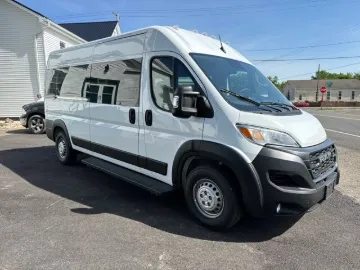
2024 RAM ProMaster 2500 Passenger Van
The 2024 RAM ProMaster 2500 is a fleet-ready solution tailored for private student transportation, offering unmatched comfort and reliability for up to nine passengers. Engineered with a focus on passenger mobility and secure transport, this van is ideal for schools or organizations looking to enhance their transport capabilities with a vehicle designed for a superior driving experience and safety.
RAM is a trusted name in the automotive industry, renowned for its commitment to quality and innovation. This reputation ensures that the ProMaster 2500 delivers a secure and comfortable ride, making it an ideal choice for those prioritizing safety and dependability in their transportation needs.
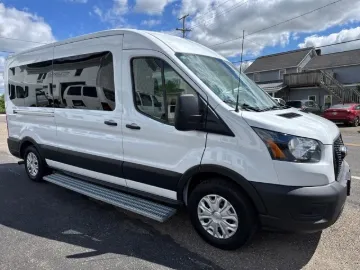
2024 Ford Transit 350 XL ADA Passenger Van
The 2024 Ford Transit 350 XL ADA is a fleet-ready solution, perfect for private student transportation needs. With seating for up to six passengers and room for two wheelchairs, this ADA-compliant van offers a seamless shuttle conversion experience, complete with a Braun 800-pound wheelchair lift at the rear entry and front and rear A/C to ensure comfort and accessibility for all passengers.
Ford is renowned for its dedication to quality and innovation, consistently delivering vehicles that stand the test of time. Buyers can trust in the durability and performance of the Transit 350 XL, backed by factory OEM warranties included at the time of delivery, making it a smart investment for any transportation fleet.
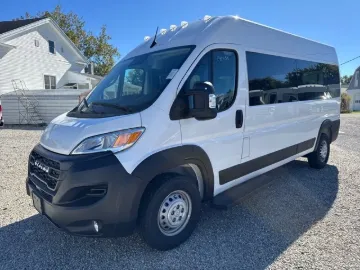
2024 RAM ProMaster 2500 Passenger Van
The 2024 RAM ProMaster 2500 is a fleet-ready option designed to meet the needs of private student transportation services. With seating for nine passengers, this van offers modern safety features such as push-button start and automatic emergency braking, ensuring a safe and convenient shuttle conversion for daily school routes.
RAM is celebrated for producing robust, reliable vehicles that deliver exceptional performance and durability. This strong brand reputation assures buyers that the ProMaster 2500 will withstand the demands of everyday transportation, providing peace of mind and long-term value for private fleets.
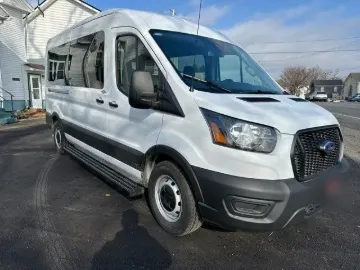
2023 Ford Transit 350 XL
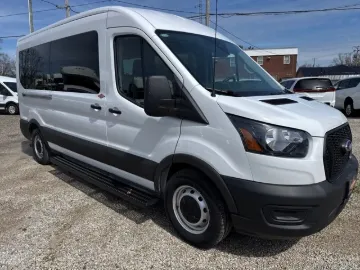
2023 Ford Transit 350 XL ADA Passenger Van
The 2023 Ford Transit 350 XL Wheelchair Accessible Van is a fleet-ready solution perfect for private student transportation needs. With seating for six passengers and space for two wheelchair users, this ADA-compliant van offers both accessibility and convenience, enhanced by a reliable 3.5L Flex Fuel V6 engine and smooth automatic transmission.
Ford's longstanding reputation for quality and innovation means you can trust the Transit 350 XL to deliver exceptional durability and performance. Buyers can be assured of a vehicle that prioritizes safety and efficiency, providing peace of mind for any transportation requirement.
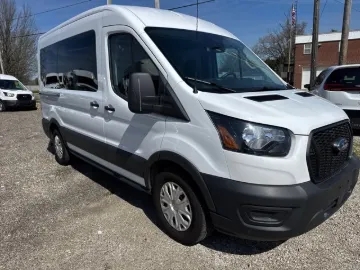
2021 Ford Transit 150 XL ADA
The 2021 Ford Transit 150 XL ADA is an ideal solution for private student transportation, offering fleet-ready capabilities with seating for up to three passengers and two wheelchair positions. This ADA-compliant van features a Braun 800 wheelchair lift and Chrysler OEM seats, ensuring both accessibility and comfort for all riders.
Ford is celebrated for its commitment to quality and innovation, producing vehicles that are both durable and efficient. This van comes with all OEM warranties at the time of delivery, offering buyers peace of mind and long-term value. Trust in Ford's legacy of excellence to meet your transportation needs with reliability and style.
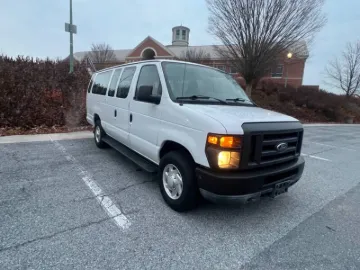
2014 Ford E350 SD XL Passenger Van
The 2014 Ford E350 SD XL Passenger Van is an excellent non-CDL transport. With a capacity for 15 passengers and only 43,250 miles, this fleet-ready van is perfect for campus mobility or mission-driven group transportation, offering efficiency without the high fuel costs or extensive maintenance.
Ford is celebrated for its durable and versatile vehicles, making it a trusted choice for institutions that require dependable transportation solutions. The E350 line, in particular, is known for its robust build and ease of maintenance, ensuring your investment remains a reliable asset for years to come.
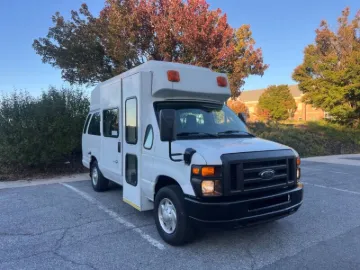
2012 Ford E350 SD ADA Passenger Van
The 2012 Ford E350 SD Mobility Van is designed for accessibility with a reliable wheelchair lift, ensuring ease of transportation for all passengers. Maintained to high standards, this van is fully reconditioned and ready for various transport needs.
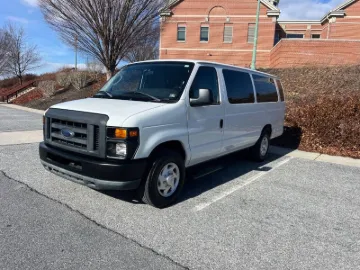
2013 Ford E350 XL Passenger Van
The 2013 Ford E350 XL is an ideal choice for churches and ministries seeking fleet-ready transportation solutions. With its powerful 5.4L V8 EFI Flex Fuel engine and 4-speed automatic transmission with overdrive, this van efficiently supports the transport of youth groups, seniors, and congregants to services, camps, and outreach events. Its reliability and ease of driving make it a perfect fit for organizations aiming to expand their ministry mobility without the complexities of CDL requirements.
Ford's reputation for producing durable and reliable vehicles is well-established, and the E350 XL exemplifies this brand credibility. Known for its dependable performance and cost-effective operation, this model ensures peace of mind for buyers looking for a shuttle conversion option that can handle the demands of frequent use. It's proven track record of reliability makes it a valuable addition to any church's transportation fleet, keeping operational costs low while maintaining high standards of safety and efficiency.
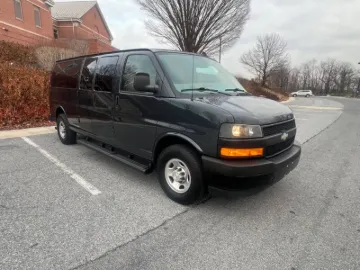
2018 Chevrolet Express LS 3500 Passenger Van
The 2018 Chevrolet Express LS 3500 is a fleet-ready vehicle, with seating for 15 passengers and powered by a reliable 4.3L V6 engine paired with an automatic 8-speed transmission, this van is equipped with keyless entry, a backup camera, Bluetooth, and Wi-Fi capabilities, ensuring a seamless and connected journey.
Chevrolet is renowned for its durability and reliability, offering buyers a trusted choice for their transportation needs. This reputation allows buyers to invest confidently in a vehicle that promises both longevity and performance, making it an ideal candidate for transportation services.
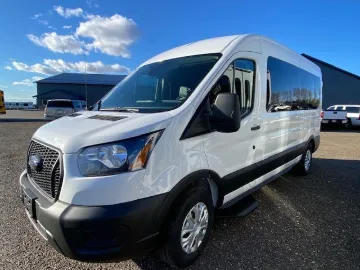
2025 Ford Shuttle Bus Passenger Van
Experience reliable transport for your passengers with the 2025 Ford Transit Shuttle Bus, a well-maintained vehicle designed for efficiency and comfort. This model features a robust gas engine, ensuring dependable performance on every route. With seating for up to five passengers, it is ideal for shuttle services, fleet operators, or organizations prioritizing consistent and secure travel. The rear lift option enhances versatility, streamlining loading and unloading for added convenience.
Ford is recognized for its innovation and commitment to safety, making their vehicles a trusted choice for transportation needs. The Transit line is celebrated for its durability and adaptability, providing operators with peace of mind and reliability on the road.
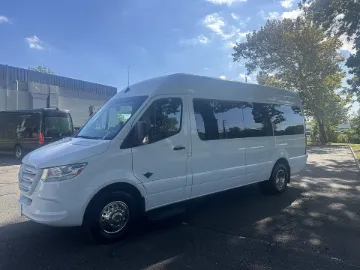
2022 Mercedes Benz Sprinter LA West Passenger Van
The 2022 Mercedes Benz Sprinter LA West Passenger Van is a fleet-ready vehicle perfect for private student transportation in New Jersey. With seating for up to 15 passengers, this one-owner van offers a reliable and spacious solution for schools or organizations looking to enhance their shuttle conversion capabilities. Renowned for its high-quality craftsmanship, LA West ensures each vehicle meets the highest standards of safety and reliability. This commitment to excellence provides peace of mind for buyers, knowing they are investing in a durable and dependable transportation solution.
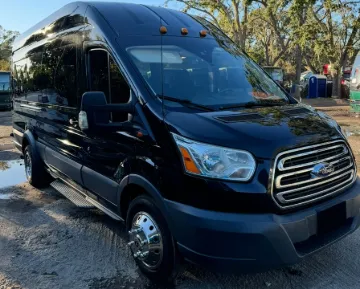
2015 Ford Transit XLT Passenger Van
The 2015 Ford Transit XLT Passenger Van is a fleet-ready vehicle designed to meet the diverse transportation needs of universities and churches. With seating for 14 passengers plus the driver and a rear storage area, this shuttle conversion is perfect for efficiently moving students across campus or transporting congregants to various church events. Its sleek black exterior and gray interior provide a professional look, making it an attractive choice for institutions seeking reliable and stylish transportation solutions. Ford is renowned for its commitment to durability and performance, ensuring that every Transit XLT is built to withstand frequent use. This reputation for reliability means buyers can trust their investment will deliver consistent service, reducing maintenance burdens and offering peace of mind for fleet managers and church leaders alike.


5.0


