

Wheelchair Accessible Buses
Buying a used wheelchair accessible bus: Start with lift capacity, wheelchair positions, passenger seating, and whether the route requires full ADA compliance. Most buyers compare shuttle, paratransit, school, and coach platforms before choosing a layout.
- Best fit: NEMT, senior transport, schools, churches, hotels, airports, and public agencies.
- Budget: Often $18,000-$90,000 used depending on chassis, year, mileage, lift, and securement equipment.
- Check: Lift operation, Q'Straint or Sure-Lok tie-downs, door clearance, floor condition, ADA documentation, and CDL fit.
ADA Feature Checklist: What to Verify Before You Buy
Not every "ADA accessible" listing meets the same standard. Before you evaluate any unit, run through these features — each one has a compliance threshold that matters for your operation, your riders, and your funding source.
Wheelchair Lift — Capacity, Platform Size, and Manufacturer
The lift must be rated at a minimum 600 lbs to accommodate most power wheelchairs with occupant. Confirm the platform dimensions are at least 30 in wide × 48 in long — the ADA minimum for a standard occupied wheelchair. Ask for the manufacturer name and model number: Braun, Ricon, and BraunAbility are the dominant lift builders in the used market, and parts availability varies significantly. Request the last lift inspection date and service record before purchase.
Wheelchair Securement — Q'Straint or Sure-Lok Four-Point
Federal Motor Vehicle Safety Standard (FMVSS) 222 and ADA requirements mandate four-point tie-down securement for occupied wheelchairs in transit vehicles. The two dominant systems are Q'Straint and Sure-Lok — both use forward- and rear-facing belt anchors at four points on the chair frame. Verify the number of securement positions, the track condition, and whether the lap and shoulder belts for the occupant are present and undamaged. Missing or damaged belts are a compliance failure, not a cosmetic issue.
Kneeling Suspension
Kneeling suspension lowers the entry step height by 2–3 inches, significantly improving boarding for ambulatory passengers with mobility limitations and reducing the lift travel distance for wheelchair users. Not universally present on all accessible buses — verify by asking the seller to demonstrate the system in operation. If it's listed as a feature but hasn't been used, test it before you buy.
Ramp vs. Lift — Know Which You're Buying
Ramps are fixed or fold-out inclined surfaces — simpler, lower maintenance, and suitable for manual wheelchair users and ambulatory passengers. Lifts are powered platforms that raise and lower — required for power wheelchair users who cannot self-propel up a ramp grade. Most NEMT and senior transport programs require a powered lift, not a ramp. Confirm which system is installed before evaluating the unit against your program requirements.
Interior Maneuvering Clearance
ADA standards require a minimum 30 in × 48 in clear floor space at each wheelchair securement position. Measure the actual space in the vehicle — aisle obstructions, seat bases, and wheel wells can all encroach on the required clearance. Power wheelchairs are typically 25–27 in wide and 40–48 in long; confirm your most common chair type fits with room to maneuver to the securement position.
Handrails and Stanchions
ADA-compliant handrails must be present at the entry step and along the aisle for ambulatory passengers with mobility limitations. Check that handrails are securely mounted with no play or corrosion at the mounting points. Stanchions (vertical grab poles) near the securement area support passengers transferring from lift to seat. Missing or loose handrails are a fail on any accessibility inspection.
Understanding Wheelchair Positions vs. Passenger Seats
When you see a bus listed as "42 passenger + 2 wheelchair positions," those numbers don't add up to 44 total riders. Each wheelchair position occupies floor space that would otherwise hold two or three ambulatory seats — the positions replace seats, they don't supplement them.
Under ADA regulations and FMVSS 222, each wheelchair securement position requires a minimum clear floor area of 30 inches wide by 48 inches long, measured from the forward-most point of the securement track. That clearance cannot be shared with adjacent seat bases or aisle obstructions. In practice, each position typically reduces ambulatory seating capacity by two to three seats depending on vehicle width and seat pitch.
If your funding source is Medicaid, FTA Section 5310, or a state mobility grant, your program agency will specify a minimum number of wheelchair positions as a condition of vehicle eligibility. Some programs require two positions minimum; others define position specifications by chair type (manual vs. power) or by occupant weight rating. Confirm your program's vehicle eligibility requirements with your funding agency before you finalize any purchase — a vehicle that doesn't meet the position specification may be ineligible for reimbursement from day one.
How Wheelchair Positions Affect Total Capacity
Use this table to size your vehicle correctly before you shop. The ambulatory capacity after wheelchair positions are added is the number that determines your route efficiency — and whether the vehicle fits your ridership mix.
| Bus Size Class | Base Passenger Capacity | Typical ADA Positions | Ambulatory Capacity After Positions | CDL Threshold Note |
|---|---|---|---|---|
| Small accessible bus (8–14 passengers) | 8 – 14 ambulatory seats (base configuration) | 2 positions (standard); 4 positions (full accessible spec) | 4 – 10 ambulatory seats remaining depending on position count and vehicle width | Many configurations stay under 26,001 lbs GVWR — verify per vehicle before assuming non-CDL operation |
| Mid-size accessible bus (15–24 passengers) | 15 – 24 ambulatory seats (base configuration) | 2 – 4 positions (typical NEMT spec) | 11 – 20 ambulatory seats remaining | Most configurations exceed 26,000 lbs GVWR — CDL Class B + P endorsement typically required |
| Large accessible bus (25–35 passengers) | 25 – 35 ambulatory seats (base configuration) | 4 – 6 positions (transit or high-capacity NEMT spec) | 19 – 29 ambulatory seats remaining | CDL Class B + P endorsement required; confirm with state DMV for compensated passenger transport |
Actual capacity varies by body builder, seat pitch, vehicle width, and securement track configuration. Always verify the specific vehicle's seating diagram and position count against your program requirements before purchase.
Frequently Asked Questions
What lift capacity is required for a wheelchair accessible bus?
The ADA and FMVSS 222 require wheelchair lifts to accommodate a minimum combined load of 600 lbs — which covers most occupied power wheelchairs. Some bariatric chairs and their occupants exceed this; if your ridership includes bariatric passengers, look for lifts rated at 750–800 lbs. Always verify the lift's rated capacity on the manufacturer's data plate, not just the seller's description.
What's the difference between a wheelchair lift and a ramp?
A ramp is a fixed or folding inclined surface — lower maintenance, no mechanical failure risk, and suitable for self-propelling manual wheelchair users. A powered lift raises and lowers on a platform — required when riders cannot self-propel up a ramp grade, which includes most power wheelchair users and many seniors. NEMT and Medicaid-funded programs typically require a powered lift, not a ramp. Confirm which your program requires before purchase.
Does my accessible bus need to meet ADA requirements if I receive federal funding?
Yes. If your program receives FTA Section 5310, Medicaid, JARC, or similar federal or state funding, your vehicle must meet the accessibility specifications defined by your program agency — which typically align with or exceed ADA Title II requirements. Your funding agency will conduct a vehicle eligibility review before approving reimbursement. A vehicle that passes a dealer inspection may still fail program eligibility if it doesn't meet your specific grant specs.
Do I need a CDL to operate a wheelchair accessible bus?
It depends on the vehicle's GVWR and passenger count. If the bus has a GVWR above 26,000 lbs or carries more than 15 passengers, a CDL Class B with a Passenger (P) endorsement is required. Many small accessible buses on Ford E450 chassis stay under the GVWR threshold — but verify the specific vehicle's rating before assuming your drivers are exempt. State rules for compensated transport add additional requirements in some jurisdictions.
How much does a wheelchair accessible bus cost?
Used accessible buses range from $15,000 for an older small-capacity lift-equipped cutaway to $55,000+ for a late-model mid-size unit with low mileage and a recently serviced lift. Factory-installed lifts add $8,000–$15,000 to a base vehicle's value. Retrofitting a lift onto a non-equipped bus typically costs $8,000–$15,000 in parts and labor — buying pre-equipped is almost always the more cost-effective path.
How do I verify that a bus's securement system is compliant?
Ask for the securement system manufacturer and model number — Q'Straint and Sure-Lok are the two compliant systems for most NEMT and transit applications. Inspect all four anchor points per position for track damage, corrosion, or missing hardware. Test each belt for smooth retraction and positive latch. If the system has been modified or components mixed between manufacturers, treat it as non-compliant until a certified accessibility technician inspects it.
Ready to Find Your Accessible Bus?
Browse the full inventory of wheelchair accessible buses for sale — filter by lift capacity, passenger positions, state, and price.
Browse Wheelchair Accessible Buses for Sale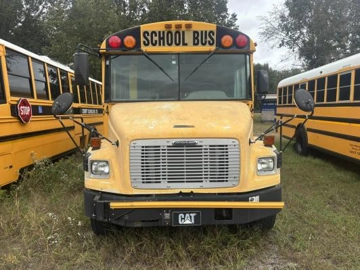
2014 Freightliner C2 ADA School Bus
Introducing the 2014 Freightliner C2 ADA, the ideal solution for fleet-ready school transport. With a seating capacity of 26 passengers, this bus is perfect for public schools, private schools, and employee transport. Powered by a reliable Cummins 6.7 engine paired with an automatic transmission, it promises low TCO and high reliability. This model is designed with a robust chassis ensuring durability and safety for students, children, and adults alike. The Freightliner brand is synonymous with dependability and innovation, offering vehicles that are tailored to meet the needs of various transport operations. With a mileage of 138,591, this bus is ready to serve your fleet with efficiency and longevity.
Freightliner is renowned for its commitment to quality and customer satisfaction. As a leader in the automotive industry, Freightliner continually strives to provide vehicles that are both technologically advanced and environmentally friendly.
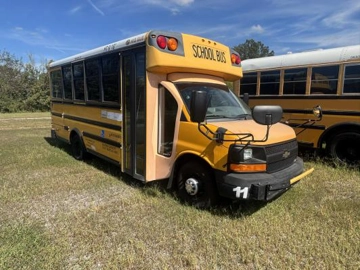
2014 Chevrolet ADA School Bus
Introducing the 2014 Chevrolet ADA School Bus, the ideal transport solution for shuttle fleet operators and service providers catering to small groups. With a seating capacity of 18 passengers, it is perfect for urban-friendly environments and offers a smooth, maneuverable ride, making it an excellent choice for retirement communities, assisted living facilities, and hospitality services. Its robust 6.0 Gas engine and automatic transmission ensure reliable performance, whether it’s navigating city streets or airport terminals.
The Chevy brand is synonymous with durability and innovation, ensuring that your transportation needs are met with quality and efficiency. Trust in Chevy’s heritage of excellence to deliver a mini bus that meets the demands of your operations.

2019 Freightliner Thomas C2 ADA School Bus
The 2019 Freightliner Thomas C2 is a versatile and fleet-ready school bus designed to meet a variety of transportation needs efficiently and economically. Built on a reliable chassis, this bus is powered by a robust Cummins 6.7 engine, ensuring a smooth and steady ride for its passengers. With a seating capacity of 35, it is perfect for school transport, employee shuttles, or day camps, and includes wheelchair accessibility to accommodate all riders. The bus is fitted with air suspension and air/electric entrance doors for added comfort and convenience. The dash and rear air conditioning systems ensure a pleasant journey, regardless of the weather. Freightliner, known for its commitment to quality and durability, continues to deliver exceptional vehicles that promise low TCO and reliability.
Freightliner is renowned for its robust engineering and innovation in the transport industry, offering vehicles that are not only durable but also economical. The Thomas C2 model exemplifies these values, making it a preferred choice for fleet operators and buyers.
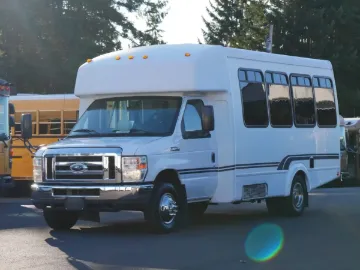
2012 Ford Goshen ADA Shuttle Bus
Discover the ideal solution for your shuttle service needs with the 2012 Ford Goshen ADA Shuttle Bus, designed to accommodate 12 passengers along with 2 wheelchair positions, making it perfect for short-haul guest transport. This fleet-ready shuttle is powered by a robust Triton 6.8 Liter V10 Gas Engine, ensuring reliable performance for airport transport, hotel guests, and community residents. With its automatic transmission, this Ford shuttle bus offers ease of use for operators, providing a smooth and comfortable ride for all passengers.
Ford is renowned for its durable and dependable vehicles, offering innovative solutions for transportation needs. Trust in Ford's legacy of excellence to elevate your shuttle service operations.
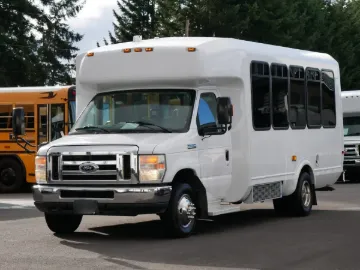
2016 Ford Eldorado ADA Shuttle Bus
Discover the perfect solution for your short-haul transportation needs with the 2016 Ford Eldorado 14 Passenger ADA Shuttle Bus. Designed to deliver exceptional shuttle service, this bus is fleet-ready and ideal for a variety of settings, including retirement communities, assisted living facilities, and airport transport. With a seating capacity for 14 passengers, it ensures comfort and convenience for airplane travelers, tourists, and hotel guests alike. Powered by a robust Triton 6.8 Liter V10 Gas Engine, this reliable vehicle promises a smooth and efficient ride. Its automatic transmission with overdrive further enhances the driving experience, making it a valuable asset for shuttle fleet operators looking to maximize efficiency and guest transport services.
Ford is renowned for its commitment to quality and dependability, consistently producing vehicles that stand the test of time. The Eldorado model exemplifies these core values, offering top-notch performance and reliability.
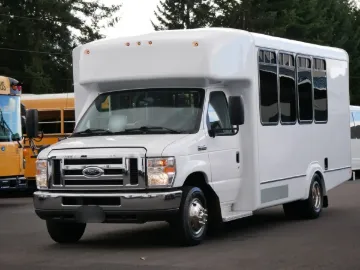
2019 Ford Eldorado Shuttle Bus ADA
This 2019 Ford Eldorado Shuttle Bus is the ideal fleet-ready solution for shuttle service, guest transport, and short-haul operations. Designed to seat up to 13 passengers comfortably, this bus is equipped with vital ADA accessibility, ensuring inclusivity and convenience for all riders. The robust 6.8 Liter V10 Gas engine paired with an automatic transmission delivers reliable performance, making it a smart choice for airport transfers, hotel shuttles, hospital guest transport, and community mobility needs. With rear luggage space, travelers and residents can securely stow their belongings, enhancing the overall journey experience.
Ford is renowned for its commitment to durability and safety, providing peace of mind to both operators and passengers. Eldorado’s engineering blends comfort with lasting value, making this model a trusted addition to any professional transport fleet.
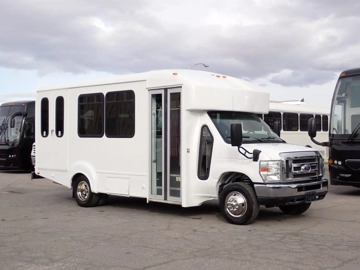
2015 Goshen Impulse Shuttle Bus ADA
Enhance your shuttle service with this 2015 Goshen Impulse Shuttle Bus, expertly designed for short-haul guest transport and fleet-ready efficiency. Built on the robust Ford E350 chassis and powered by a reliable 5.4L V8 gas engine, this bus offers seating for 10 passengers plus 2 wheelchair positions, ensuring inclusive and comfortable travel for airplane travelers, hotel guests, community residents, and more. The forward luggage area behind the driver maximizes passenger convenience for airport transport or hotel shuttles, while mid-back seats with grab handles and seatbelts prioritize rider safety.
Enjoy additional amenities such as air conditioning and heating, a backup camera, AM/FM/CD radio with USB connectivity, cruise control, and an overhead grabrail. Goshen is renowned for its dependable construction and commitment to passenger comfort, making this shuttle bus a smart investment for retirement communities, hospitals, hospitality, churches, or event transport needs. Elevate your fleet with a vehicle built for reliability and superior guest experience.
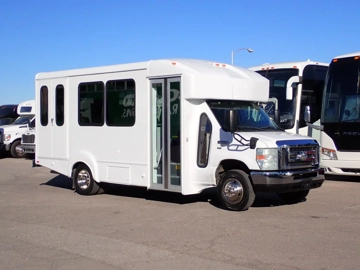
2016 Goshen Impulse ADA Shuttle Bus
Introducing a clean 2016 Goshen Impulse Shuttle Bus, equipped with a lift for enhanced accessibility. Built on the robust Ford E350 chassis, this bus is powered by a reliable 5.4-liter V8 gas engine, making it perfect for short-haul trips and shuttle services. It features a forward luggage area for added convenience and can comfortably seat 10 passengers plus 2 wheelchair positions, ensuring inclusive guest transport. The mid-back seats come with grab handles and seatbelts to prioritize passenger safety. Equipped with a backup camera, AM/FM/CD radio with USB, air conditioning, and a heating system, this fleet-ready vehicle ensures a pleasant ride for airplane travelers, tourists, and community residents alike.
Goshen is renowned for crafting dependable and versatile vehicles, making it a favorite among shuttle fleet operators. With a focus on safety and comfort, Goshen continues to set the standard in the bus industry.
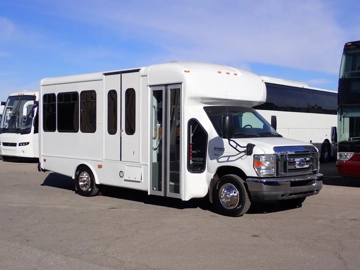
2018 Starcraft Allstar ADA Shuttle Bus
Introducing the 2018 Starcraft Allstar ADA Shuttle Bus - the perfect solution for shuttle fleet operators and transport service providers seeking efficiency and comfort. This low-mileage bus is built on the reliable Ford E450 chassis and is powered by a 6.2-liter V8 gas engine, ensuring a smooth and powerful ride. Designed to cater to both regular and special needs passengers, it features seating for 14 or a flexible configuration for 10 seated passengers with 2 wheelchair positions. The conveniently located front passenger side wheelchair lift ensures ease of access, making it ideal for assisted living, retirement communities, and hospital systems. The advanced fast idle system and extra-large rear A/C enhance comfort and functionality, while overhead grab rails and premium high-back seats with 3-point seatbelts provide safety and stability.
Starcraft is renowned for building durable and versatile buses that meet various transportation needs. Their commitment to quality and innovation is evident in every aspect of this shuttle bus.
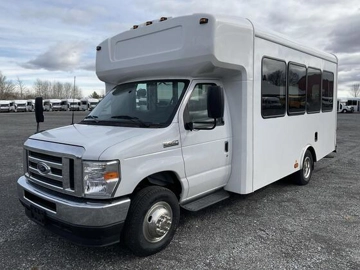
2026 Ford Hle Mini Bus Shuttle Shuttle Bus
Experience the 2026 Ford HLE Mini Bus Shuttle—a fleet-ready solution engineered for efficient shuttle service and guest transport. Built on a robust Ford cutaway chassis, this vehicle is designed for daily dependability and maximum rider comfort. With seating for 12 adults plus accommodation for 2 wheelchairs, it is perfectly suited for retirement communities, hospital systems, hospitality groups, and airport transport operations. The versatile layout provides easy access, smooth boarding, and an inviting interior that welcomes airplane travelers, tourists, residents, and employees alike. The low mileage ensures years of reliable short-haul performance for your organization, making it an ideal addition to any modern fleet.
Ford's reputation for durability and innovation is evident throughout the HLE, offering peace of mind and lasting value. Trust in the Ford brand to deliver unmatched quality and performance in every journey.

2023 Blue Bird All American FE ADA School Bus
Introducing the 2023 Blue Bird All American FE ADA School Bus, a versatile and reliable transit solution tailored for public transit systems, government transport, city routes, airport shuttle services, job site transport, and universities. With a robust Cummins 6.7L diesel engine, this bus is engineered for high cycle, stop-and-go route service, ensuring efficiency and durability. Designed to accommodate 38 passengers comfortably, it is perfect for commuters, employees, students, staff, faculty, and jobsite workers. The Blue Bird brand is renowned for its commitment to safety, reliability, and innovation in the transit industry. With its forward-engine design, this bus offers enhanced maneuverability and visibility, making it a preferred choice for busy city routes. Whether you're looking to upgrade your fleet or add a dependable vehicle to your transit lineup, the 22023 Blue Bird All American FE ADA School Bus is the ideal choice.
Blue Bird is a leader in the bus manufacturing industry, known for its dedication to quality and customer satisfaction. With a legacy of excellence, Blue Bird continues to set the standard in bus innovation.

2009 International Ce School Bus ADA
Discover reliable transport with the 2009 International CE School Bus, an exceptional choice for fleet operators and organizations seeking dependable passenger solutions. With miles, this fleet-maintained bus seats up to 25 passengers and features ADA accessibility, accommodating two wheelchairs with its integrated lift. The robust 7.6L L6 diesel engine, paired with a smooth automatic transmission, ensures consistent performance and ease of operation on every route. Designed for versatility, this vehicle is ideal for schools, churches, shuttle services, work crews, or skoolie conversions.
International is renowned for its commitment to quality, durability, and value in commercial vehicles. The CE model exemplifies these strengths with a solid body, clean interior, and dependable mechanicals, delivering peace of mind and lasting performance for any operation.
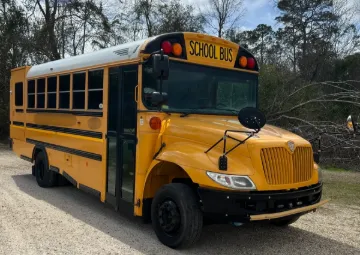
2016 International Ic Shuttle Bus ADA
Elevate your shuttle service with the 2016 International IC Handicap Shuttle Bus, designed to deliver safe, reliable, and comfortable guest transport for a wide range of applications. Featuring a powerful Cummins 6.7 turbo diesel engine paired with an Allison automatic transmission, this fleet-ready vehicle seamlessly handles short-haul routes for airport transport, hotels, retirement communities, hospital systems, and more. With seating for 13 passengers and accommodations for up to 4 wheelchairs, it ensures inclusive and flexible mobility for all riders, including retirees, hospital guests, and community residents.
Onboard, both front and rear air conditioning keep guests comfortable in any climate, while hydraulic brakes provide smooth and secure stops. The rear wheelchair lift and integrated tie-downs offer effortless accessibility, making it an ideal solution for assisted living and executive transport. Built with International’s renowned engineering and durability, this model is trusted for its robust performance and long-term dependability. Experience the confidence and peace of mind that comes with owning an International bus, a brand synonymous with quality and innovation in passenger transport.
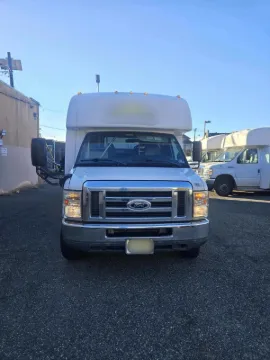
2016 Ford E450 ADA Shuttle Bus
The 2016 Ford E450 ADA Shuttle Bus presents an exceptional solution for your shuttle service needs, offering a seamless blend of comfort, reliability, and efficiency. With the capacity to comfortably accommodate up to 14 passengers, this bus is tailored for short-haul guest transport, making it fleet-ready for diverse applications. Whether you're managing a shuttle service for a retirement community, hospital system, or hotel, this vehicle ensures a smooth ride for airplane travelers, tourists, hotel guests, and more. The Ford E450 boasts an automatic transmission with smooth shifting and runs on gasoline, ensuring a dependable performance for all your transport needs. Additionally, it features a wheelchair ramp and lift, enhancing accessibility for all passengers.
Ford has a long-standing reputation for durability and innovation in the automotive industry. Their commitment to quality and customer satisfaction is evident in every vehicle they produce, making them a trusted choice for fleet operators worldwide.
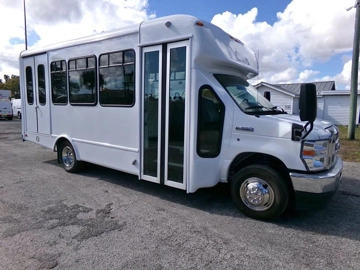
2021 Ford E350 ADA Shuttle Bus
Introducing the 2021 Ford E350 ADA Shuttle Bus, a versatile and fleet-ready vehicle designed to meet the transport needs of shuttle fleet operators, retirement communities, and many more. This model is equipped with a powerful 7.3L V8 Gas engine, ensuring smooth and reliable short-haul journeys. With a passenger capacity of 12 and accommodations for 2 wheelchairs, it's perfect for guest transport, airport shuttles, and community services. The bus features a clean title, rust-free body, and has been meticulously maintained, providing peace of mind for operators who value reliability and performance. Ford is known for its robust engineering and commitment to quality, making it a trusted choice for commercial transport solutions.
Ford's legacy of innovation and durability shines through in the E350 model, offering exceptional value and service life for any professional transport fleet.
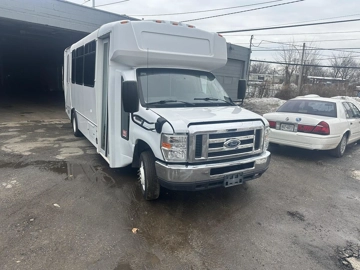
2017 Ford E-450 ADA Shuttle Bus
Introducing the 2017 Ford E-450 ADA Shuttle Bus – an exceptional choice for shuttle fleet operators, retirement communities, and other organizations requiring versatile and reliable guest transport solutions. This fleet-ready vehicle is designed to meet the varied needs of airplane travelers, tourists, hotel guests, community residents, retirees, and more. With seating for up to 19 passengers and accommodations for 7 wheelchairs, this bus offers flexibility for short-haul journeys and guest transport. The 6.8L V10 Gasoline engine ensures robust performance, while the automatic transmission provides smooth rides.
Ford is renowned for its commitment to quality and engineering excellence. The E-450 is a testament to Ford's dedication to delivering dependable and durable vehicles that cater to diverse transportation needs.
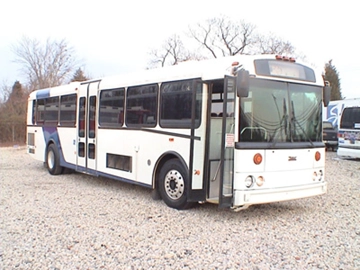
2004 Thomas Saf-T-Liner HDX Transit Bus
The 2004 Thomas Saf-T-Liner HDX Transit Bus is a dependable workhorse for all your public transit and city route service needs. Ideal for stop-and-go, high cycle environments, this robust bus is powered by a 3126 Cat Bio-Diesel Engine and an Allison B400 Automatic Transmission, ensuring efficient and smooth transit operations. With a seating capacity for 32 passengers, it's perfect for accommodating commuters, students, employees, and jobsite workers. Equipped with air ride and air brakes for superior comfort and safety, it also includes essential features like a wheelchair lift for accessibility, making it a versatile choice for diverse transportation requirements.
Thomas Built Buses, a leader in the transit industry, is renowned for their commitment to safety and quality. With decades of experience, Thomas continues to innovate and set the standard in bus manufacturing.
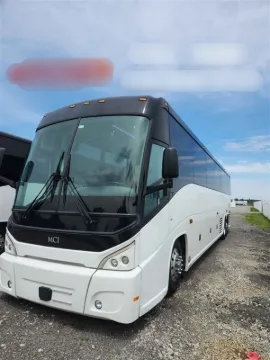
2018 MCI J4500 Coach ADA Coach Bus
Discover the ultimate in over-the-road comfort and tour-ready reliability with the 2018 MCI J4500 Coach, engineered for exceptional charter and tour experiences. This premium coach is powered by a robust Cummins engine paired with an Allison transmission, ensuring both performance and efficiency on long journeys. The spacious interior, finished in striking red, features plush leather headrests, offering unmatched comfort for tour attendees, college students, athletic teams, and travelers alike. Ample luggage capacity makes it ideal for extended charters or athletic team travel, easily accommodating gear and personal belongings.
ADA accessible with a wheelchair lift, this coach is designed for inclusivity, making it an excellent choice for universities, churches, and tour operators prioritizing accessibility. MCI is renowned for its durability, advanced engineering, and long-standing reputation in the coach bus industry. Experience peace of mind with a brand trusted by fleet operators nationwide.
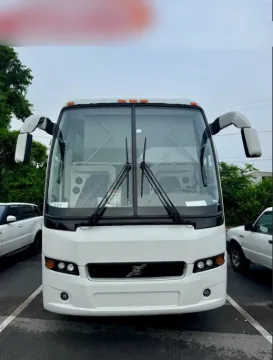
2014 Volvo Coach ADA Coach Bus
Experience premium over-the-road comfort with the 2014 Volvo 9700 Coach, engineered for superior charter and tour-ready performance. This coach is thoughtfully equipped for modern fleet operators, charter companies, and universities seeking reliable transport for tour attendees, athletic teams, and college students. The Volvo I-Shift transmission delivers smooth, efficient power, ensuring every journey is both comfortable and economical. An ADA lift provides inclusive accessibility, making this coach an excellent option for organizations with diverse ridership needs. Enjoy added convenience with seatbelts for enhanced safety, power outlets for device charging, and WiFi-ready connectivity to keep everyone engaged on the road. Generous luggage capacity ensures ample room for travelers’ belongings, making longer trips seamless and organized. The 2014 Volvo 9700 stands out for its robust design, advanced features, and commitment to passenger satisfaction.
Volvo is renowned for its dedication to safety, innovation, and industry-leading build quality. The 9700 model exemplifies these values, providing operators with a dependable and sophisticated coach solution.
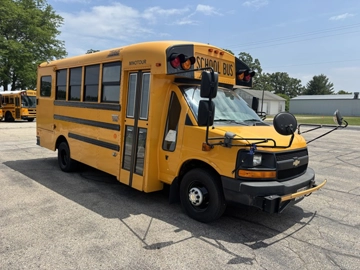
2012 Thomas Minotour DRW ADA Mini School Bus
Introducing the 2012 Thomas Minotour DRW ADA Mini School Bus, a versatile and fleet-ready solution for all your short-haul and guest transport needs. Designed with the comfort and safety of both passengers and drivers in mind, this bus offers seating for up to 23 passengers. Equipped with a Ricon wheelchair lift, this bus ensures accessibility for all riders, including those with mobility challenges.
The Thomas Minotour is renowned for its reliability and efficiency, with features like LED marker lights and an electric entrance door for enhanced usability. Heated mirrors provide clear vision in various weather conditions, while the robust AM/FM/CD radio keeps passengers entertained. Trust Thomas to deliver quality and performance in every journey.
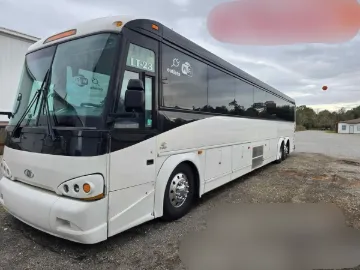
2010 MCI D4505 Coach Bus
Discover the perfect blend of reliability, comfort, and versatility with the 2010 MCI D4505. This tour-ready coach bus is an exceptional choice for charter operators, tour companies, and organizations seeking over-the-road comfort for their passengers. With its robust Detroit engine and smooth Allison transmission, the MCI D4505 ensures a seamless and efficient travel experience. The spacious interior, adorned in a calming blue, provides ample room for tour attendees, college students, athletic teams, and travelers to enjoy their journey. Ample luggage capacity guarantees that all belongings are stored securely, making this bus a top choice for extended trips. The vehicle is WiFi ready and features power outlets, ensuring passengers stay connected and powered throughout their travels.
MCI is renowned for its commitment to quality and durability, making it a trusted name in the world of coach buses. With the 2010 MCI D4505, you are investing in a legacy of excellence that delivers unmatched performance and passenger satisfaction.
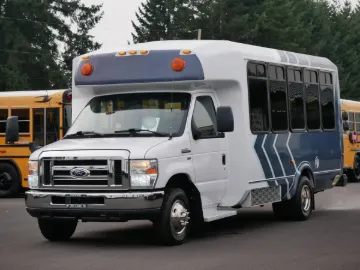
2014 ElDorado Aerotech ADA Shuttle Bus
Introducing the 2014 Ford Eldorado Aerotech, a versatile shuttle bus designed to elevate your fleet operations. With a seating capacity for 12 passengers and accommodations for two wheelchairs, this bus is perfect for shuttle service across a range of industries including retirement communities, airport transport, and hospitality. Powered by a robust Triton 5.4 Liter V8 gas engine, this vehicle ensures reliable performance for short-haul routes, making it an ideal choice for transporting airplane travelers, hotel guests, and community residents efficiently.
ElDorado, a trusted name in the shuttle industry, is known for its commitment to quality and innovation. The Aerotech model exemplifies this with its sturdy construction and thoughtful design features.

2012 MCI D4505 Coach Bus
Introducing the 2012 MCI D4505, your ultimate solution for a charter or tour-ready coach bus that combines over-the-road comfort with ample luggage capacity. Tailored for coach bus fleet operators, tour operators, charter operators, churches, universities, and sports teams, this bus is designed to cater to the needs of tour attendees, college students, athletic teams, and travelers. With its Detroit engine, this MCI model ensures reliable performance on every journey. The spacious interior, adorned in a classic blue, provides a comfortable and welcoming atmosphere for passengers, while the white exterior exudes a professional and sleek appearance.
MCI, a leader in the motor coach industry, is renowned for their commitment to quality and innovation. Their D4505 model exemplifies their dedication to delivering top-notch transportation solutions.
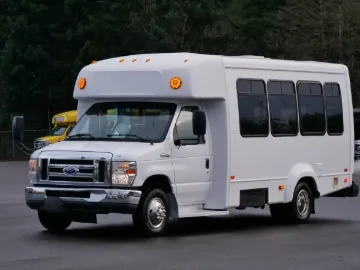
2014 Ford Elkhart Coach ADA Shuttle Bus
Introducing the 2014 Ford Elkhart Coach, a reliable and versatile shuttle bus designed to meet the diverse needs of modern transport services. With the capacity to comfortably seat 12 passengers, along with wheelchair access for two, this bus is perfect for shuttle fleet operators, retirement communities, and hospitality services. Its spacious interior and robust 6.8-liter V10 gas engine make it ideal for short-haul routes, ensuring smooth and efficient guest transport. The automatic transmission further adds to its ease of operation, making it fleet-ready for busy schedules. Whether transporting airplane travelers, tourists, or community residents, the Elkhart Coach provides a comfortable and safe ride for everyone. This model is an excellent choice for hospital systems, airport transport, and event organizers looking to provide reliable shuttle service.
Ford is renowned for its durable and innovative vehicles. The Elkhart Coach continues this tradition with a focus on accessibility and passenger comfort.


5.0


