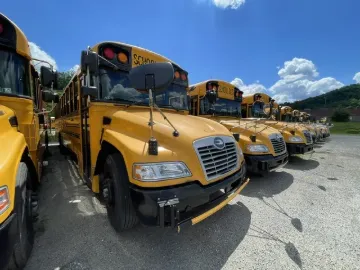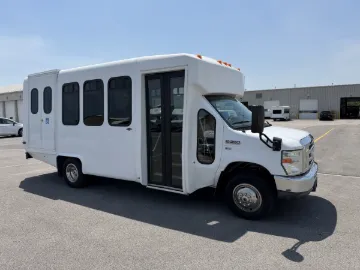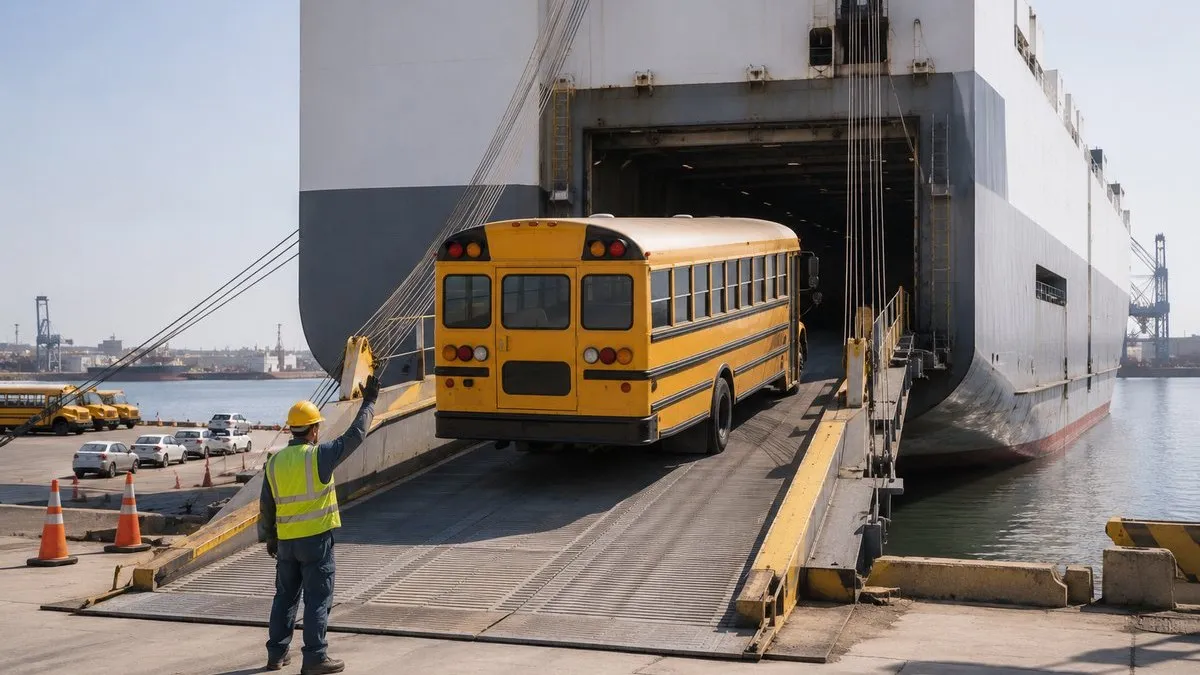
Before you consider exporting a bus, it’s important to know that finding the bus is the easy part. A buyer in Lagos or Lima can see the same listing you can, agree on a price, and wire a deposit by Friday. Then the bus has to actually leave the country, and that's where deals stall. But the stall is often on the paperwork, and not the vehicle.
The United States treats a used self-propelled vehicle differently from a crate of parts. There are export rules written specifically for used vehicles like buses, and Customs enforces them at the port. If you skip a step, the bus sits on the dock while the ship leaves without it. So we’ll give you some pointers to lessen the chance of that happening.
Start with a clean title
Everything begins with the title. You need the original Certificate of Title, or a certified copy, plus two complete copies to hand over. If there's a loan against the bus, you need a letter from the lienholder on their letterhead, with the VIN, saying the vehicle can leave the country. We’ve found that a title with a lien that nobody cleared is the most common reason an export stops cold.
Have a bill of sale with the VIN
If you're not the titled owner, Customs wants to see a bill of sale or invoice showing the VIN. It can be as simple as a plain document between buyer and seller. If the bus was a gift, a gift letter stands in. If you hold the title yourself, you can skip this one.
File the AES export information and get your ITN
For any used vehicle leaving the country you’ll file the Electronic Export Information in the Automated Export System, regardless of what the bus is worth. You file it through ACE AESDirect, and you need to do it at least 72 hours before export. The system returns an ITN, an Internal Transaction Number, which is the proof the filing went through.
That ITN isn't a formality. It has to appear on the bill of lading, and an ocean carrier isn't allowed to load the bus without it. No ITN, no boat, and no bus.
Give Customs the papers 72 hours before the ship sails
The original title and the export documents go to Customs at the port of export at least 72 hours before the vessel departs. This is the same clock as the AES filing, and in our experience working with customers, it's the deadline people blow. A bus that clears everything else still misses the sailing if the paperwork reaches the port the morning the ship leaves.
Where exports actually go wrong
The pattern of how things go wrong is always the same.
- A lien nobody remembered
- A title whose VIN doesn't match the bus
- A value on the invoice Customs questions
- A broker the buyer assumed was filing who never did
The good thing is that none of these are hard problems. They're problems you solve before the truck rolls to the port, not after. So now you know.
The part we can take off your plate
This is the work BusesForSale sits closest to. The lot is near the Port of Wilmington, which shortens the drive and the ocean time on East Coast roll-on, roll-off shipments, and we help with the export paperwork so the compliance side isn't something you're decoding alone from another country.
So before you wire a deposit on a bus you plan to ship overseas, ask one question. Is the title clean and in hand, with any lien released and the VIN matching the bus?
If it is, the rest is a checklist and a calendar. If it isn't, fix that first, because the ship won't wait for your paperwork.