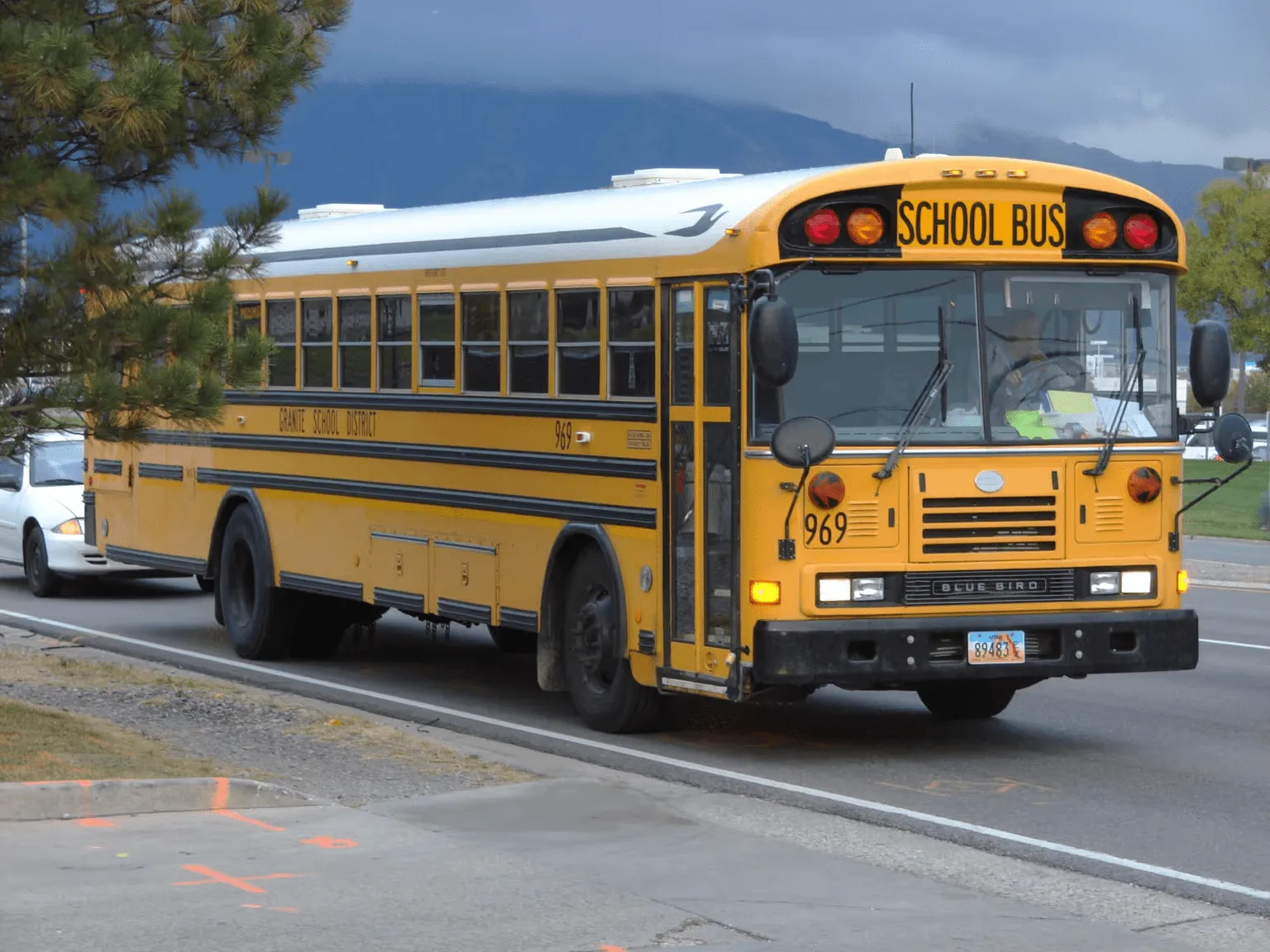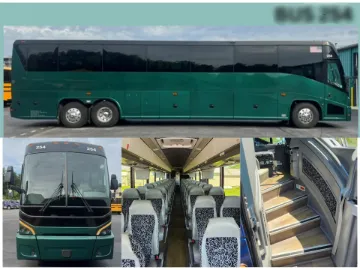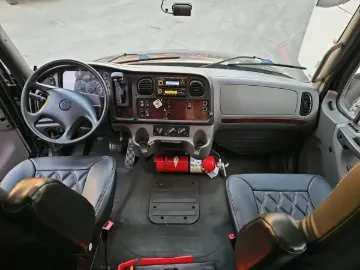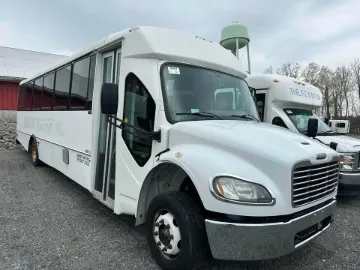
Renting buses feels safe. Until you add it up.
When a new route appears, an event lands on the calendar, or enrollment spikes unexpectedly, renting becomes the default response. No approvals. No long-term commitment. Someone else handles the asset.
That convenience hides the real cost.
Why Renting Becomes the Default
Renting looks attractive for three reasons:
- No upfront capital
- No long-term ownership
- Fast access for short-term needs
On paper, that checks a lot of boxes for campus operations teams trying to move quickly.
The problem shows up later. Quietly. Repeatedly.
Rental Costs Compound Faster Than Most Expect
Rental pricing rarely stays flat. Peak-season demand drives rates higher. Availability tightens during the academic year. The same vehicle gets rented again and again for the same need.
After the second or third rental cycle, the math starts to tilt.
You pay every time. You build no residual value. And you still depend on outside availability.
So, what began as a short-term solution often turns into a recurring expense line. And that’s definitely not a recipe for success.
Owning Used Changes the Equation
Buying a used bus shifts the decision from reaction to control.
- Lower upfront cost reduces capital exposure.
- Immediate availability avoids schedule risk.
- Ownership removes dependence on rental inventory.
For recurring needs, used buses often cost less over time than repeated rentals, especially when the bus still holds resale value at the end of its use.
This matters for campuses with predictable seasonal demand. Athletics. Housing moves. Overflow parking. Shuttle loops that never fully go away.
Timing Matters More Than Purchase Type
The real mistake is not renting or buying. The mistake is renting repeatedly without a break-even point. Many campuses follow a simple rule. If you rent the same type of bus more than once or twice per year, ownership usually wins.
Used buses shorten the break-even window because the initial investment stays lower and exit options remain open.
Ownership Does Not Mean Permanence
Buying a bus does not mean keeping it forever. Campuses that plan well treat buses as rotating assets. Buy when flexibility matters. Sell when needs change.
A used bus owned for several years, then sold before major failure, often costs less than ongoing rentals plus disruption risk.
That flexibility disappears when every solution depends on an outside rental schedule.
Risk Looks Different When You Own
Renting shifts asset risk to someone else. It does not remove operational risk.
If a rented bus fails to show up, routes still break. Events still get disrupted. Staff still scramble.
Ownership puts control back on campus timelines. That control becomes more valuable as transportation demands grow less predictable.
When Renting Still Makes Sense
Renting still fits some scenarios.
One-off events
Short-term pilots
Truly unpredictable demand
The problem is treating those exceptions as a permanent strategy.
Campuses that separate temporary needs from recurring ones tend to spend less and operate with fewer surprises.
Want a clear look at your fleet costs and options?
If you’re weighing replacement timing, rental spend, or whether owning a used bus makes more sense for your campus, a short conversation often clears things up fast.
And if you have buses that are used seasonally, kept as backups, or nearing replacement, those vehicles might still be tying up more money than expected through insurance, storage, and maintenance.
BusesForSale.com works with campuses on both sides of that equation.
Buying used buses when flexibility matters. Buying buses from universities when it’s time to reduce exposure and free up capital.
Call George or one of our bus specialists at 877-287-7253. No pitch. No obligation.
Just a practical look at what you’re running today and where rental costs and ownership decisions start to collide.
Sometimes the most expensive choice is the one that feels easiest.