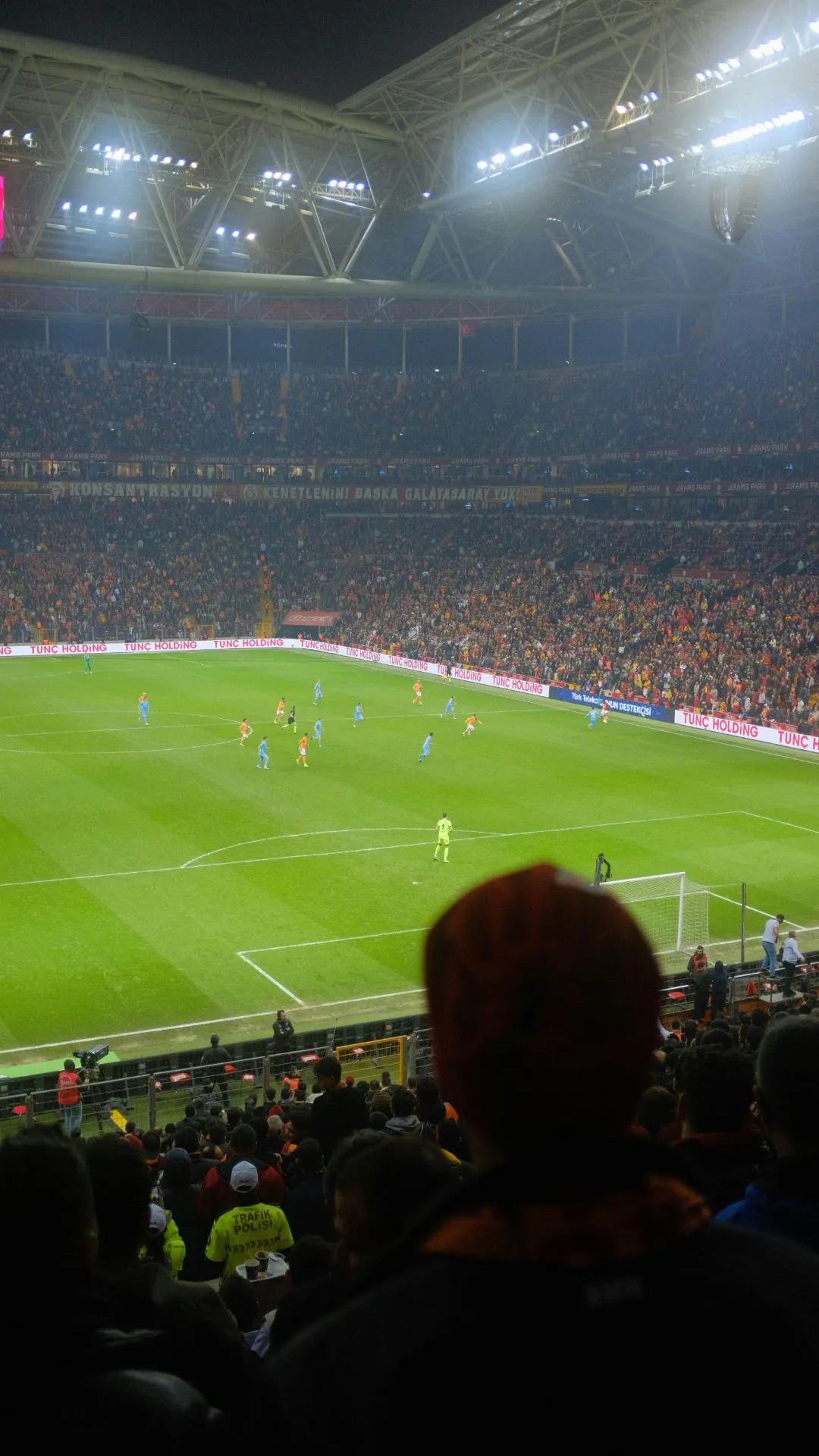
The 2026 FIFA World Cup is the biggest in the event's 96-year history. There are 104 matches. Sixteen host cities. Three countries. About 6.5 million fans will travel across North America between June 11 and July 19. The opening match is in Mexico City. The final is at MetLife Stadium in New Jersey.
FIFA and the World Trade Organization project $47 billion in economic output from the event. FIFA President Gianni Infantino says every match is sold out.
Getting to the stadium is a different story.
A $13 ticket becomes $150
A normal round-trip train ticket from New York Penn Station to MetLife Stadium costs about $13. That's what commuters pay on a regular day.
On World Cup match days, that same ticket will cost $150. NJ Transit set the price in mid-April as part of a match-day transit plan.
Senate Majority Leader Chuck Schumer wrote a letter demanding FIFA pay for fan travel to all eight MetLife matches, including the July 19 final.
"FIFA will rake in approximately $11 billion in revenue off this tournament," Schumer said, "while New York fans are being hit with $150 NJ Transit round-trip tickets just to get to the game."
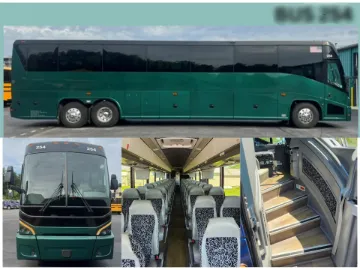
The charter bus shuttle option runs $80 round-trip.
NJ Transit CEO Kirs Kolluri stood by the pricing. The agency's total World Cup operating cost is $48 million. The federal government covered about $10.6 million. The host committee added just over $3 million. FIFA paid nothing. Fans cover the rest through the ticket surcharge.
Penn Station will also be partly closed for up to four hours before each MetLife match. That disrupts regular bus and subway service in Midtown Manhattan. NJ Transit will sell only 40,000 round-trip tickets per match for a stadium that holds more than 82,500 fans.
Not every city is paying $150
New Jersey is the most extreme case, but it isn't the only city with high transit costs. Houston and Atlanta fans pay just $2.50 round-trip. Los Angeles fans pay $3.50. Philadelphia fans pay under $5. Kansas City set its shuttle price at $15 — a number that looks reasonable now compared to New York.
The price gap comes down to local transit systems. Cities where buses and trains could handle the extra match-day crowd didn't have to spend as much. New York and New Jersey are hosting eight matches, including the final. Their transit system wasn't built to handle that kind of traffic without a big extra cost.
Senator Schumer secured $100 million in federal transit funding for host cities. New York and New Jersey got about $10 million of that. The Trump administration's original FY2026 budget asked for zero dollars for World Cup transit.
What FIFA pays for — and what it doesn't
FIFA does not help host cities pay for fan transportation. That's not an oversight. It's how the deal works. FIFA keeps the broadcast rights money, the sponsorship money, and the ticket revenue. Cities, transit agencies, and fans pay to move people around.
Germany handled it in 2006 with a strong national rail system. Qatar handled it in 2022 by building a new subway from scratch and making it free on match days.
The 2026 World Cup spans three countries and stretches from Vancouver to Mexico City. The United States doesn't have a national rail network that connects those cities. This tournament was not planned for a country where most people drive. The transit problem reflects that.
Cities still working on their plans
With fewer than ten weeks until kickoff, some host cities are still finishing their transit plans. At least three cities got formal notices from FIFA about incomplete transportation or stadium access.
Kansas City's light rail line near Arrowhead Stadium isn't finished. It's expected to be ready by late May. Boston's Gillette Stadium sits about 25 miles from South Station. As of late March, shuttle and train plans were still being worked out.
Transportation officials met in Washington in mid-April to align plans across host cities. The conclusion: the plans can work, but there isn't much room for delays.
How fans are getting there — and what charter buses cost
Private charter bus companies spotted the gap early. They're filling it.
BusBank, a national charter bus marketplace, launched a FIFA World Cup 2026 charter bus booking portal for all host cities. DPV Transportation is running motor coach service to New York and New Jersey matches. They recommend booking 30 to 60 days out because demand is rising fast. Local Motion of Boston is running charter bus shuttles to Gillette Stadium from pickup points across the Boston region.
In New York, charter buses make clear financial sense for groups. Four fans paying $150 each on NJ Transit spend $600 before food, parking, or tickets. A group of 30 booking a motor coach to a New Jersey stadium will typically pay $1,500 to $2,500 total. That works out to about $50 to $83 per person. They get door-to-door service and don't have to compete for one of the 40,000 daily transit tickets.
In cheaper markets, the math flips. Houston fans paying $2.50 round-trip have no reason to charter a bus. New York fans paying $150 each do. Once a group reaches four people, a charter bus is usually the cheaper option.
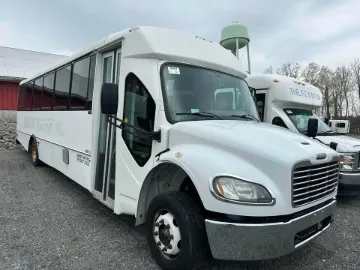
Fleet operators and charter companies looking to add inventory for World Cup demand can browse available commercial and coach buses at BusesForSale.com.
What this says about American transit
The United States last hosted the World Cup in 1994, across nine cities with 52 matches. That tournament was smaller. The public debate around transportation costs was quieter. Thirty years later, the event is more than twice the size. The gap between what FIFA earns and what host cities spend is harder to ignore.
American cities have spent heavily on airports and highways for decades. Transit investment has been uneven. Hosting 104 matches across 16 cities in 39 days puts serious pressure on transit systems. Where those systems already run at high capacity, they can absorb the crowds. Where they can't, charter buses and private shuttles step in.
FIFA takes the money. Cities take the costs. In New York and New Jersey, where that cost is $48 million and growing, that arrangement is getting attention.
Fans will get to MetLife Stadium on July 19. The $150 train ticket will be a talking point in transit policy debates long after the final whistle.
Source Charter and Commercial Bus Inventory
→ Browse coach buses for sale → BusesForSale.com
→ Browse all commercial bus inventory → BusesForSale.com
→ Talk to a specialist: 877-287-7253
Sources: CNN, CBS News, NBC News, Al Jazeera, Front Office Sports, WBUR, KCUR, KC TV5, Altitudes Magazine, Automotive Transportation News, Wikipedia (1994 FIFA World Cup), FIFA/WTO press release, US Senate (Schumer), US House (Davids). All statistics cited from linked sources.