When money gets tight at home, people get predictable. They buy the used car instead of the new one. They keep the old one running another year or two. They trade down to whatever covers the daily drive and skip the extras. No one needs a degree in economics to understand when a monthly payment no longer fits the budget.
But you may be surprised that school districts do the same thing. So do transit agencies, hospital van fleets, and the companies that bus their crews out to a job site. Yes, the vehicles are bigger, and there are a lot more of them, but the instinct is the same as the one sitting in your driveway. And in 2026, it is showing up across fleets that have nothing else in common, whether they run school buses in Ohio or haul crews to an oil field.
Of course, a salesperson will not recommend this, because they want to move a new bus off the lot. But more and more companies are finding it is what the company spreadsheet recommends. The logic is one a family would recognize.
BusesForSale explored why households and fleets are opting for used vehicles instead of purchasing new ones.
Why buyers are choosing used over new
Walk onto any dealer lot, or just open the emails dealers send you, and reality hits your dreams of a new vehicle. New prices keep climbing, and tariffs on imported components are a major reason.
As The Detroit News put it, used vehicles are having a moment as new costs rise. JD Power's Tyson Jominy told CNBC that prices have gone up about a third while incomes have not come close to keeping pace, leaving a smaller pool of buyers who can still afford new. New prices are not going down. Used vehicle prices have climbed too, but they remain well below new-car prices, so more used cars are finding homes than ever before.
For a household, a 30 percent jump like this can kill the new-car plan. For a fleet, the decision barely needs a meeting. A used bus earns the same revenue as a new one on the same route, so the operator who adds capacity without paying the new-vehicle premium is the one with more left over at the end of the run. The marketplace for new and used buses sees demand for used inventory first, for the same reason the family two doors down bought a three-year-old SUV instead of a new one. The used one does most of the same work at a fraction of the sticker price.
Keeping buses longer instead of replacing them
A squeezed budget quickly makes CFOs fall in love with what they already own. When a new bus gets expensive enough, the replacement clock stretches. A transit bus that would have been retired at 10 years runs to 12, kept going by the maintenance shop rather than being traded in. Fleets can play that out because these are commercial-grade engines. Thomas Built Buses, one of the country's major school bus manufacturers, notes that clean-diesel engines are built to last 15 to 20 years.
That is the kind of runway that lets a maintenance shop justify keeping a bus another year or two instead of replacing it. It is the same bet a family makes putting new brakes on the Honda minivan instead of trading it for an SUV. The difference is that a fleet runs the math across 40 vehicles, and the savings come back with another zero on the end.
Buying smaller, and skipping the new-bus wait
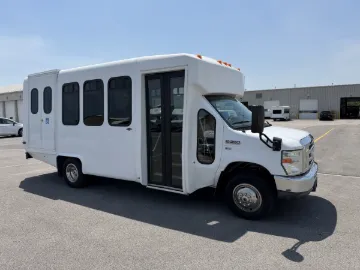
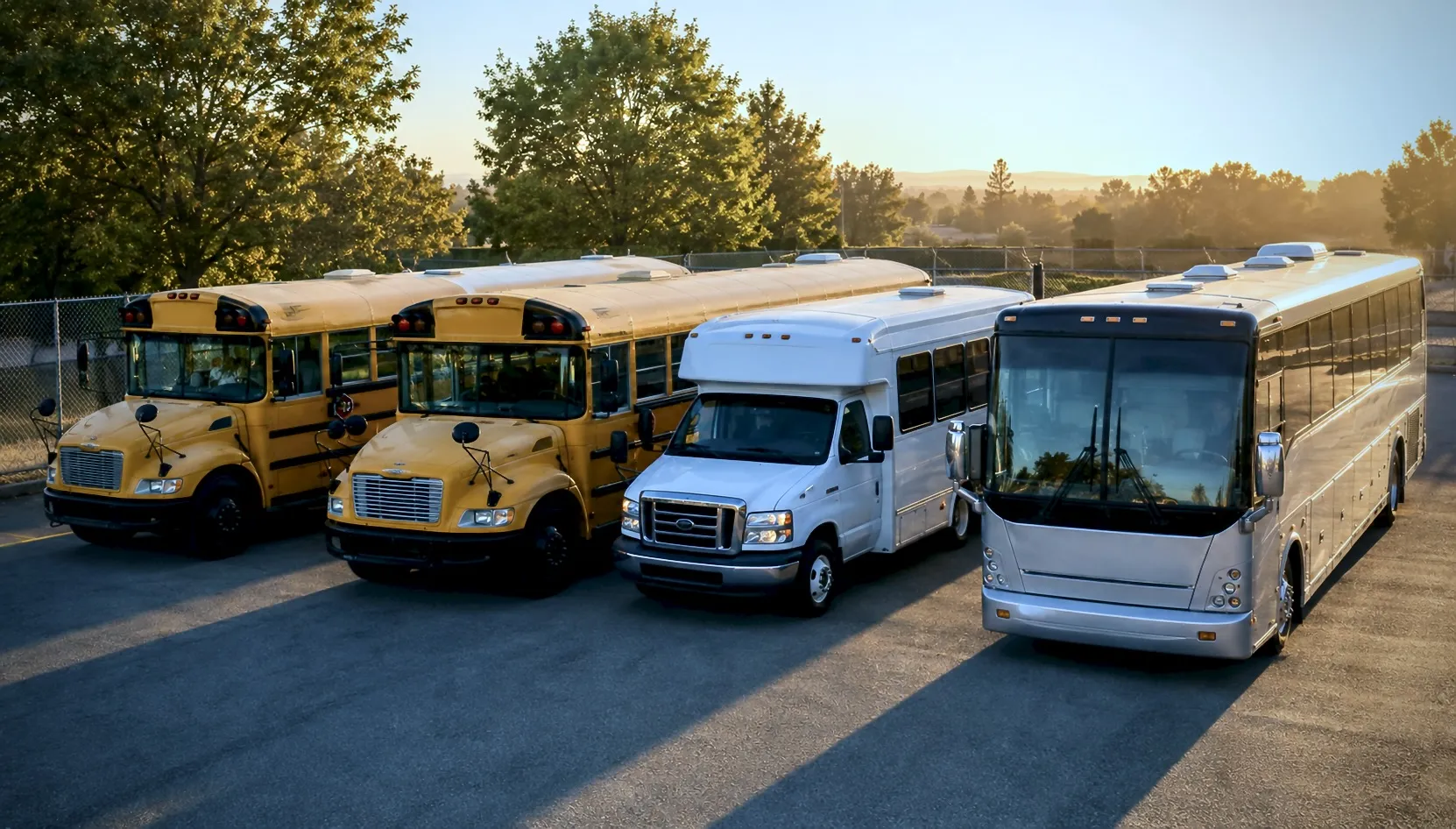
An option many corporate fleet buyers are eyeing is right-sizing. When an organization shrinks, the fleet shrinks with it. More often, the buyer specs down on purpose, choosing a smaller shuttle bus for everyday employee pickup instead of the bigger one bought for the worst day of the year.
And a lot of them are choosing used because they can put it to work now. Even when funding is approved, a new bus does not show up next week. IC Bus told School Bus Fleet it was running close to a year's worth of order backlog, and while OEM delivery times have eased, they have not snapped back to normal. Some public fleets have turned to leasing and the used market to get vehicles into service rather than sit in a production queue for the better part of a year. Cheaper and sooner tend to work together these days.
Why school districts are buying used buses
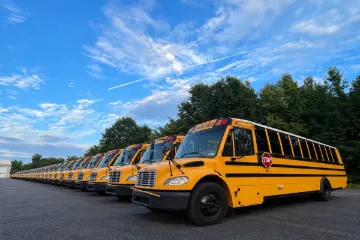
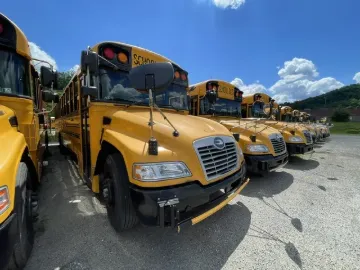
The squeeze is easiest to see in student transportation, because the buyers are public agencies and their books are open. What districts actually spend to replace a single school bus has climbed past what their budgets planned for, pushed up by a higher base price, the 2025 tariffs, and a federal rebate that stalled. Instead of living with that gap, more districts and contractors work the used market to keep routes covered. The ones who can put together a fleet of sound used school buses quickly are the ones winning the contracts and getting paid.
Where the squeeze is hitting hardest
The states that feel it first are the ones where the budget math broke first.
Texas is feeling it more than most. Northwest ISD's CFO told CBS News the state allotted his district $3.5 million for transportation while the district spent more than four times that. Other Texas districts said the state's share covered as little as 12 percent of what they actually pay to move kids. When the gap runs that wide, every replacement decision gets harder, and buying used stops being a choice and turns into the default.
The same pressure is forcing hard calls elsewhere. Columbus City Schools in Ohio cut back K-8 busing and moved to close four schools while working through roughly $50 million in budget cuts. In Connecticut, Bridgeport floated pushing its walk-to-school line out as far as 2.5 miles before a kid qualifies for a bus. Those are service cuts, not purchase orders, but they come from the same budget math that pushes a district toward the used lot when it does buy. When a board is debating whether to bus a kid who lives 2 miles out, it is not going to sign off on a new bus it can replace for a third of the price used.
With the cost of a single replacement bus still climbing, the places that hit the wall first are the ones where buying used quietly became the whole plan.
What it tells us
Cost pressure does not freeze fleet purchasing. It just reorders a buyer's priorities toward buying pre-owned buses, keeping them longer, sizing down, and getting them sooner. The same moves a family makes with one car, a district makes with 80, and a city makes with a few hundred.
Many transportation directors are making the same choice local parents already made. A three-year-old used bus that runs every morning beats waiting another year for funding approval on a new one.