Most employee transportation discussions begin with a spreadsheet. Purchase price sits at the top, budget constraints follow close behind, and every line item faces questions from finance. This is understandable. Money is finite, and every department competes for the same pool of resources.
But teams that anchor their decisions entirely to upfront cost often miss a more consequential variable: availability. Not whether a vehicle exists at a certain price point, but whether it exists when you actually need it.
Availability influences launch timing, interim spending, employee experience, and program credibility. Price differences reveal themselves immediately in a quote. Availability problems surface later, often after commitments have been made and expectations set. By then, the cost of being wrong compounds quickly.
Employee Transport Programs Run on Fixed Schedules
Unlike discretionary capital purchases that can shift by a quarter or two, employee transportation programs typically lock into firm timelines. New hires start on specific dates. Seasonal hiring follows predictable cycles. Campus relocations don't wait. Contract obligations carry penalties for delays.
When vehicles don't arrive as planned, those timelines don't adjust. The program still needs to function, which means interim solutions step in to fill the gap. Temporary shuttle contracts get signed. Parking lease extensions get approved. Mileage reimbursement programs expand beyond their original scope. Ride-share stipends creep into operating budgets that weren't designed to carry them.
These aren't minor overruns. Month after month of substitute arrangements can easily eclipse the price difference between vehicle options that seemed significant in the original comparison. And once interim solutions take root, they're harder to unwind than anyone expects.
This is where availability affects your employee shuttle operating costs. Vehicles that are ready when you need them keep your timeline on track. Protected timelines protect your budget from the cascading costs that follow delays.
New Vehicles Carry Hidden Timing Risk
Ordering a new bus directly from a manufacturer sounds straightforward on paper. You specify what you want, agree on a price, and wait for delivery. The challenge is that production cycles for commercial vehicles currently run anywhere from three to six months under normal conditions. During periods of high demand or supply chain disruption, that window can stretch well beyond a year.
These timelines are estimates, not guarantees. Build schedules shift. Component shortages appear. And production slots get reallocated. For teams operating under fixed launch dates, this uncertainty creates real exposure. The vehicle might arrive on time, or it might arrive after the program was supposed to start.
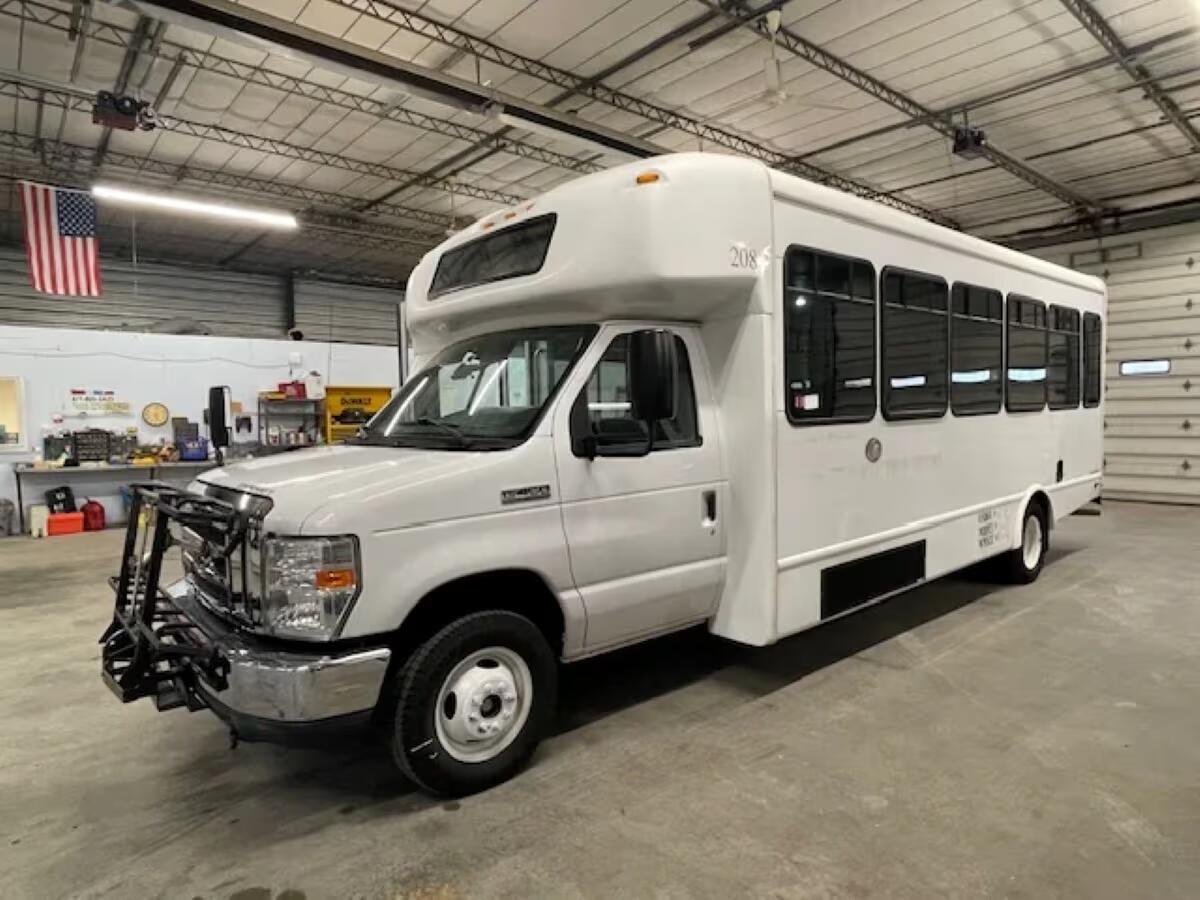
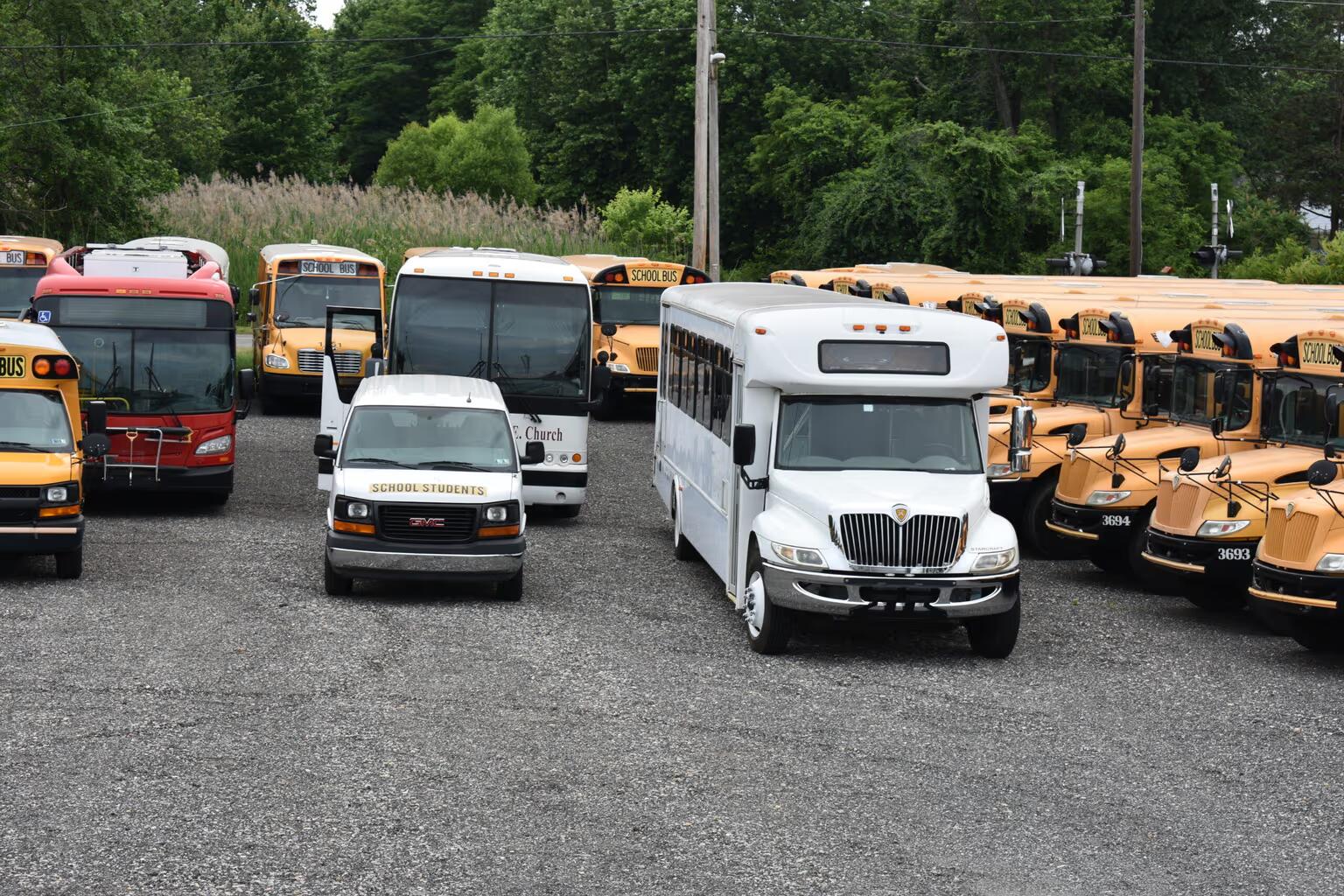
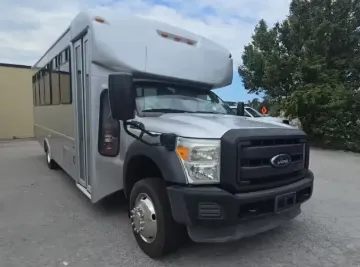
Used inventory changes this equation. The vehicles already exist. They're sitting in yards, not on factory schedules. Depending on condition and inspection requirements, many can be road-ready within a week or two. For programs tied to real start dates rather than flexible ones, this difference in readiness isn't just convenient—it's often the determining factor between launching as planned or explaining to leadership why the timeline slipped.
Operational Costs Don't Pause While You Wait
Here's the reality that doesn't appear in the original budget presentation: employee transportation costs accrue whether the vehicles arrive or not.
Employees still need to get to work. HR still manages their questions and concerns. Facilities still deals with parking congestion or access issues. The program exists in practice even if it doesn't exist on paper yet, and someone is covering those costs in the meantime.
Each month of delay adds another layer of interim expense. Some of it shows up in obvious places—shuttle invoices, parking charges, reimbursement payments. Some of it hides in opportunity costs and organizational friction that's harder to quantify but no less real.
Availability limits your exposure to this downstream bleeding. When vehicles are ready to deploy on schedule, you avoid the period where you're paying for both the problem and the solution that hasn't arrived yet.
Reliability Builds Trust, and Trust Determines Adoption
Employee transportation programs live or die on a daily basis. When routes launch on time and run consistently, employees begin to rely on them. They adjust their routines, give up parking spaces, and maybe even reconsider whether they need a second household vehicle. Trust builds gradually through dependable service.
When programs launch late or change unexpectedly, that trust erodes much faster than it formed. Employees make backup plans. They stop checking the shuttle schedule. Empty seats appear on routes that were supposed to be full. Leadership starts asking harder questions about that study that said you could reduce turnover by 14% and increase utilization and ROI.
This isn't about everything running smoothly because operational hiccups happen in any transportation program. But starting from a position of readiness gives you the foundation to build reliability. Reliability gives employees confidence. Confidence drives adoption. Adoption validates the program to leadership.
Availability supports this progression from the start. Delayed availability undermines it before the program ever gets off the ground.
Does Inspection Beat Waiting?
There's a fundamental difference between waiting for a vehicle to be built and evaluating one that already exists. Waiting is passive. Yes, you trust the process and hope the timeline holds. But inspection is active. You get answers to questions that matter for your specific use case.
Have a used bus inspection checklist, like you can find here. For instance, how has this vehicle been used? What kind of duty cycle has it seen? What maintenance has been performed and documented? What wear patterns exist, and how do they align with the routes you're planning to run? What components have been replaced recently? What might need attention in the near term?
These are operational realities that affect your maintenance planning, your budget forecasting, and your confidence in the vehicle's readiness for your intended service. With used inventory, you can conduct this evaluation before purchase rather than discovering issues after delivery.
That level of real assessment reduces uncertainty. You're not betting on specifications from a catalog. You're clearly evaluating a specific asset against your specific needs.
Used Doesn't Mean Short-Lived
A lot has been written about why used buses pay off in the long run. Commercial buses are engineered for demanding duty cycles that most employee transportation programs will never approach. Many vehicles are retired under fleet policy or funding cycles, not because they've reached the end of their useful life. A ten-year-old bus from a well-maintained municipal fleet may have tens of thousands of miles of reliable service remaining.
Longevity depends far more on maintenance history, how the vehicle was used, and inspection quality than it does on age alone. A poorly maintained three-year-old bus can pose a greater risk than a well-documented eight-year-old one.
This matters because employee shuttle programs typically involve predictable routes, moderate daily mileage, and stable operating conditions. These are ideal circumstances for used vehicles that have been properly maintained. You're not asking them to do anything close to what they were originally designed to handle.
Available used inventory often provides years of dependable service when matched appropriately to actual use. And they’ll be a financial win for your organization. The key is knowing what you're buying, which brings us back to the value of inspection and documentation.
Availability Supports Measured Growth
Many employee transportation programs don't launch at full scale. They start with one or two routes serving the highest-demand corridors. As adoption stabilizes and patterns become clear, the program expands based on actual usage rather than projected models.
This phased approach makes sense from a risk management perspective. It keeps initial investment contained, allows for operational learning, and gives leadership confidence based on demonstrated results rather than forecasts.
Available inventory supports this kind of measured expansion. When you're ready to add capacity, you can do so relatively quickly because vehicles exist and can be inspected for readiness. You're not locked into large orders or long lead times that force you to commit to growth before you've validated demand.
This flexibility keeps your program aligned with reality as it unfolds rather than assumptions made months earlier. It also maintains stakeholder alignment, as expansion occurs in response to success rather than in pursuit of it.
Price Comparisons Assume Equal Conditions
When teams compare vehicle options primarily by price, they implicitly assume that timing, readiness, and risk are roughly equivalent across options. That assumption rarely holds.
A lower purchase price on a vehicle that won't arrive for six months carries different total costs than a slightly higher price on one that's ready in two weeks. The difference depends on your timeline, your interim expenses, your employee impact, and your program's credibility with leadership.
Similarly, a great price on a vehicle with unclear maintenance history or unknown condition carries a different risk than a documented vehicle that's been inspected and verified ready for service. The difference depends on your maintenance capabilities, your tolerance for unexpected repairs, and whether you have backup capacity if something goes wrong.
Price is one variable in a larger equation. When availability gets excluded from that equation, the comparison becomes misleading. The lowest upfront cost doesn't guarantee the lowest operational outcome, especially as downstream costs accumulate.
How to Think About Availability in Your Decision Process
Availability belongs in the conversation early, not as an afterthought once price negotiations are complete.
Start by asking when your program actually needs to launch. Not when it would be nice to launch, but when commitments require it to be operational. Then work backward. What lead time do you realistically need for inspection, title transfer, insurance setup, driver training, and route planning?
Next, consider what happens if that timeline slips. Be prepared. What interim solutions would you need? What do those cost, and for how long might you need them? How does delay affect employee experience and internal confidence in the program?
Finally, evaluate your alternatives with these questions in mind. A vehicle that's available and ready may not have the lowest sticker price, but it might have the lowest total cost when you factor in timing protection and reduced uncertainty.
These questions lead to decisions that hold up over time, because they're grounded in operational reality rather than just budget targets.
Building Programs That Actually Work
The most successful employee transportation programs we've seen share a common characteristic: they were planned around real-world constraints rather than ideal scenarios.
Available inventory supports realistic planning. You know what exists, you can inspect it, and you can work with actual timelines rather than estimates. This doesn't eliminate all uncertainty, but it reduces the kind that tends to derail programs before they get started.
Inspection builds confidence—not just in the vehicle, but also in your decision-making process. You're working with information rather than hoping things work out.
Predictable timing protects the trust that employee transportation programs need to succeed. When you can deliver what you promised, when you promised it, the program starts from a position of strength.
Price still matters. Budget constraints are real, and every dollar counts. But availability is what determines whether your program launches successfully or spends months explaining why it hasn't started yet.
The question isn't whether to consider price. It's a question of whether to consider price in isolation or as part of a broader evaluation that includes the factors most likely to determine your program's success.
Talk Through Your Timeline and Options
If you’re weighing availability, timing, and operating realities for an employee transport program, it often helps to talk through those variables with someone who sees these decisions every day. Our team works with organizations at all stages, from early planning to active rollout, and can help you evaluate what fits your timeline without pressure to rush.
Frequently Asked Questions
Why does availability matter more than price in employee transport?
Availability determines whether your program launches on schedule. Delays create downstream costs—temporary shuttles, parking extensions, mileage reimbursements—that often exceed any savings from choosing a lower-priced option with uncertain delivery timelines. When vehicles aren't ready when you need them, the program still needs to function, and interim solutions add up quickly.
What problems occur when employee transport vehicles are delayed?
Delays disrupt fixed schedules tied to hiring cycles, seasonal needs, or contract obligations. They force interim transportation solutions that weren't budgeted, reduce employee confidence in the program, and create pressure on leadership to explain why launch dates keep moving. The longer the delay, the more these problems compound.
Are used buses a better choice for employee transport programs?
Used inventory reduces timing uncertainty because the vehicles already exist and can be inspected for readiness. For programs with firm launch dates, this often matters more than the difference between new and used pricing. Used buses from well-maintained fleets typically provide years of reliable service for the predictable routes and moderate duty cycles common in employee transportation.
How does availability affect total employee transport costs?
Availability limits the time you spend paying for interim solutions while waiting for permanent vehicles. Each month of delay can add thousands in temporary shuttle contracts, parking expenses, or reimbursement programs. These costs accumulate in areas not included in the original budget comparison, often making the "cheaper" option more expensive overall.
What should teams evaluate beyond purchase price?
Focus on when vehicles can actually be delivered, what their inspection reveals about condition and maintenance history, how delays would affect your timeline and budget, and what employee experience looks like if launch dates slip. Also consider your own readiness—whether you have time for a long lead time or need vehicles that can be deployed quickly.
How can organizations reduce risk when launching employee transport?
Prioritize vehicles that are available for inspection within your timeline, conduct thorough evaluations of maintenance history and current condition, plan around realistic delivery windows rather than best-case scenarios, and build some buffer into your schedule. Working with available inventory reduces the risk that external factors outside your control delay your program launch.