 Excellent on Google from verified customers



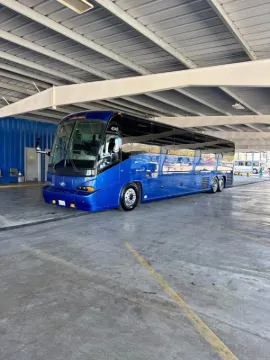
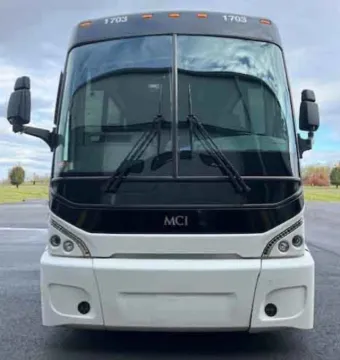
Image: AI-generated photographic scene. Not actual inventory.
If you’re shopping for an MCI J4500 or a Prevost H3-45, I’d bring along the trip sheet for a charter you know well. A college team going to a weekend tournament would do nicely. You know how many people travel, and somewhere in the organization is an equipment manager who knows exactly how much luggage a person can describe as “a few things.”
That’s someone I’d invite to look at the bus. Your driver belongs in the conversation, too, particularly the driver who has to get everything underneath and still leave on time. By the time you’re down to two used coaches, their questions can help you see past a handsome interior and a familiar badge.
Start with the biggest case
A luggage-capacity figure is useful when you’re sorting through models. Once you have an actual bus in mind, I’d want to know whether the largest equipment case will go through its bay door, wheels and handles included. If you can bring the case to the inspection, let the driver try loading it and see where the overnight bags would go around it.
Prevost’s 2023 H3-45 specification sheet lists 460 cubic feet of underfloor luggage space without a wheelchair lift. MCI’s published J-Series specifications list 445 cubic feet for a J4500 without a wheelchair lift. These describe the manufacturers’ specified configurations, not every used coach carrying those model names. For an older bus, ask for measurements of the space you’ll actually have, including the clear door opening and any obstructions inside.
If you’re shopping remotely, a photo with a tape measure across the opening is a reasonable place to begin. Send it to the person who loads your current bus. They may come back with a question you wouldn’t have thought to ask.
Take a seat somewhere you wouldn’t normally sit
It’s easy to spend most of a viewing near the driver. I’d walk to the back, sit down and make the trip to the lavatory before returning to the entrance. If senior tours are part of your business, take some time with the steps and handrails, imagining a passenger who would appreciate a little patience getting aboard.
The floor plan deserves the same attention. If you’ll use wheelchair positions, ask for the seating layout with those positions occupied so you know how many other passengers can travel. You’ll want that answer before quoting a group, rather than while explaining why someone’s seat has disappeared.
The J4500 buyer’s guide is a useful starting point for the MCI side of your search. As you narrow the years and configurations, bring the discussion back to the interiors of the two buses you could actually buy. Let your driver spend some time checking the view and the controls while you’re there.
Your mechanic gets a vote
A coach your shop knows how to maintain has something going for it. Before giving it the advantage, though, I’d hand the mechanic the service records for each candidate and ask what they see. Include the engine and transmission identification, along with the mileage recorded on the repair invoices.
“Replacement transmission” is a good reason to request the paperwork. You’ll want to know what was installed, when the work was done and what documentation comes with it. Give the shop room to ask about the other coach with equal care, even if its odometer reading is more appealing.
Our guide to finding service support goes into local service support. For this purchase, ask which work your own shop could handle and which jobs would require an outside appointment. If there’s a technician who already looks after your fleet, involve them before you’ve become too fond of one of the buses.
Work back from the first departure
Once the inspections are in, get a delivered quote for each coach and add the work your shop expects before the first charter. Check for repairs the seller has already included so you don’t count them twice. The delivered-quote guide gives you a way to compare the offers on the same basis.
I’d also ask when the shop could take the bus. If it would still be there when the team needs to leave, find out what covering that trip would cost. Then take the figures back to dispatch with the inspection findings and your notes about the equipment cases. You should have a much better idea of which coach you’d be comfortable assigning to that run.
If you’re looking for a bus from BusesForSale.com, browse the coach inventory and call 877-287-7253 with the stock numbers you’re considering. Tell us about the passengers and where the bus needs to go, including the date you hope to put it to work. For lot inventory, ask what measurements or records we can provide. For seller-held equipment, we can discuss what the seller can document and what your independent inspector will need to establish.