 Excellent on Google from verified customers



Most shuttle companies start the same way. Someone notices a gap. A hotel is losing guests because the airport transfers fall apart. A corporate office runs out of parking. A retirement community needs help moving residents to appointments. A construction firm needs its crews onsite at the same time every morning. Someone steps in and begins running people from point A to point B.
That is the whole story behind this industry. You solve a real operational problem and people pay you to keep solving it. If you want to build something in this space, you need a plan that covers your market, business model, compliance rules, vehicles, insurance, staff, pricing, and marketing. This guide walks through each one so you know what you’re stepping into before you buy your first shuttle.
- Understanding the Market
- You don’t guess your way into a profitable shuttle business. You study your market and look for pressure points that force organizations to rethink transportation.
Right now, the strongest demand comes from:
- Corporate offices dealing with parking shortages
- Hospitals running 24/7 shifts
- Senior living communities needing predictable, ADA-friendly transport
- Universities with high seasonal traffic
- Manufacturing plants with large workforces in remote areas
- Construction crews that need reliable daily movement
- Hotels, stadiums, and convention centers handling events
- Municipalities running circulators and pilot routes
The National Parking Association’s 2024 Cost of Parking Study shows that structured parking costs keep climbing. In many cities, companies spend more per year on one garage spot than they would on an employee shuttle. When land is tight, parking loses and shuttles win.
The Bureau of Transportation Statistics backs this up with commuter patterns. Congestion, long commute times, and short parking supply create reliable demand for private shuttle operators.
Choosing Your Business Model
Your business model shapes your contracts, insurance, vehicle selection, and staffing. Pick the model that aligns with local demand and what you can realistically operate at the start.

Each model carries different insurance, compliance, and staffing demands, so choose what fits your capacity, not what looks glamorous.
Legal, Licensing, and Compliance
This industry is regulated at the federal and state level. Skip these items and you will lose contracts fast.
US DOT Number
Required for interstate operations or vehicles over 10,001 GVWR.
FMCSA link: https://www.fmcsa.dot.gov/registration/do-i-need-usdot-number
Operating as a For-Hire Carrier
If you transport people for compensation, you fall under FMCSA commercial regulations. This includes safety files, driver logs, maintenance records, and drug testing compliance.
Passenger carrier rules: https://www.fmcsa.dot.gov/mission/policy/passenger-carrier-safety
Commercial Driver’s License
A CDL is required for vehicles with more than sixteen seats including the driver. Many startups choose non CDL shuttles because staffing is easier.
CDL rules: https://www.fmcsa.dot.gov/registration/commercial-drivers-license
ADA Requirements
If you serve the public or senior communities, ADA lifts and securements matter.
ADA guidance: https://www.transit.dot.gov/regulations-and-guidance
Drug and Alcohol Testing Program
Mandatory for CDL drivers.
FMCSA overview: https://www.fmcsa.dot.gov/regulations/drug-alcohol-testing/overview
Legal Counsel
Hire an attorney familiar with transportation law. It is cheaper than fixing compliance violations later.
Choosing the Right Vehicles
The vehicle you buy determines your costs, your staffing challenges, and your insurance premiums.
Non-CDL Shuttles
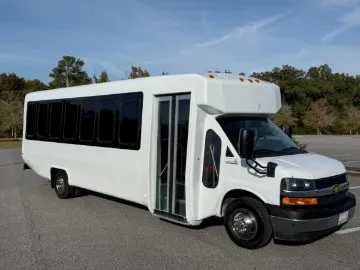
Seats 14 or fewer. Lower insurance. Easier staffing. Popular for senior communities, hotels, and construction.
Mid-Size Shuttles
Seats 20 to 30. Strong fit for corporate contracts. Requires CDL drivers.
Full-Size Shuttles and Coaches
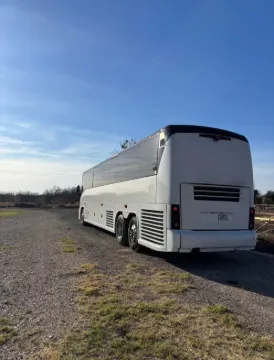
Seats 40 to 56. Best for universities and high-volume routes. Highest cost and strictest insurance.
Used Inventory Advantage
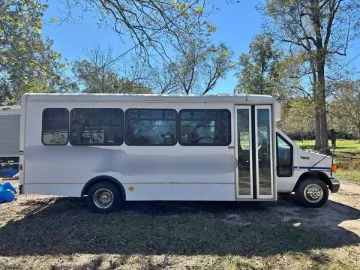
New shuttles run one hundred ten to one hundred sixty thousand dollars and can take months to arrive. Used commercial shuttles usually sell for a third of those prices and are ready within a week or two. This is why most new operators start used. See the cost benchmarks
Source: American Bus Association 2024 Market Report
Insurance and Risk Management
Insurance is one of the biggest cost drivers, and it varies widely based on the vehicle and service model.
You’ll need:
- Commercial Auto Liability- Required for all passenger carriers.
- General Liability- Covers you outside the vehicle.
- Workers’ Compensation- Required if you employ drivers.
Higher Risk Factors are:
- Large seating capacity
- Night operations
- Airport service
- New or inexperienced drivers
Insurance costs vary widely. Some operators pay twelve thousand a year. Others pay fifty thousand. Get quotes early because it shapes your business model.
Source: National Association of Insurance Commissioners
Start collecting quotes early. The numbers can shift your entire business model.
Hiring and Managing Drivers
Your drivers are the service. They determine your safety record, customer satisfaction, and contract retention.
Driver wages continue to rise. The School Bus Fleet 2025 Wage Survey reports a national average of $23.18 per hour. Private operators often pay more to compete with delivery fleets, logistics carriers, and transit agencies.
Source: https://www.schoolbusfleet.com
Your staffing plan should include:

CDL drivers increase your compliance load. Non-CDL drivers lower it, but limit what you can run.
Pricing Your Service
Your pricing needs to cover labor, fuel, insurance, maintenance, vehicle depreciation, and storage.
Typical contract structures are:
- Hourly rate
- Per route
- Per mile
- Monthly retainer
Source: GAO Workplace Transportation Cost Brief
Corporate clients want predictability, so stable monthly pricing usually wins.
Maintenance Planning
Your fleet earns money only when it runs. Preventive maintenance is what keeps buses on the road and schedules intact. Strong operators build a rhythm and stick to it because surprises off the lot turn into missed routes, overtime, and unhappy clients.
Baseline expectations most operators follow:
- PM every 5,000 to 7,500 miles
- Monthly brake checks on urban loops
- Quarterly electrical system tests
- Annual coolant flush
- Tire inspections each cycle
Source: Fleet Maintenance Magazine PM Benchmarks
If you want a deeper breakdown of what full PM programs look like across commercial fleets, here is our detailed Complete Bus Fleet Maintenance Guide that walks through inspections, recordkeeping, vendor setup, and long-term cost impact:
This helps new operators build discipline early instead of scrambling after the first breakdown.
Building Your Brand and Finding Clients
This industry grows through reputation, not slogans. Organizations hire operators who show up and keep people moving without drama.
Effective channels:
- Local SEO
- Google Business Profile
- A simple website with routes and pricing
- Direct outreach to HR and operations teams
- LinkedIn case studies
- Chamber of commerce relationships
- Partnerships with senior living communities and hotels
Operational proof sells. Show before-and-after metrics on parking, attendance, or shift punctuality.
Revenue Opportunities Beyond Routes
Once your core business is steady, you can consider expansion.

Shop by make: Ford buses · Chevrolet buses · Starcraft buses · Used shuttle buses