 Excellent on Google from verified customers


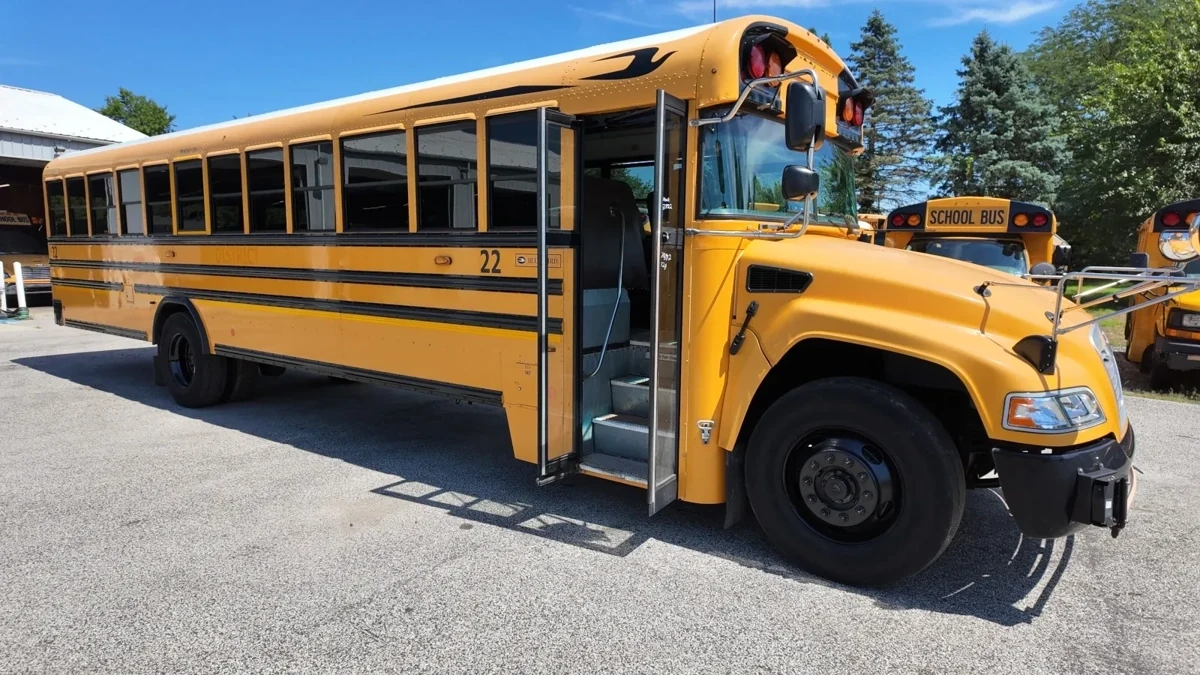
Before buying a bus to replace school-trip rentals, compare the cost of providing the same trips with the same passengers. Include a driver on each side of the calculation, use written quotes and count the trips your own bus could actually cover.
Twenty trips on the calendar don't necessarily give you twenty chances to use one bus. The basketball team and the band may need to leave at the same time. Someone will still need a rental.
First, find out what you're renting
A charter with a driver and a vehicle-only rental are different purchases. Ask which service the quote covers.
With a vehicle-only rental, you may still need to supply a qualified driver and arrange insurance. A charter quote may include those services, but you should confirm its terms rather than assume every charge is included.
Use the same itinerary when requesting prices. Give the provider the passenger count, pickup and return times, destination and equipment needs. Ask about minimum hours, mileage allowances and charges for waiting or changes. An overnight tournament needs its own quote.
Put the quoted service beside what your school would provide with an owned bus. A comparison that includes a paid driver in the rental column and free staff time in the ownership column needs another look.
Count the trips one bus can cover
Start with the school calendar. Mark overlapping departures and trips that need more seats than the bus can provide. Include the driver schedule, too. Having the bus available doesn't help if the qualified driver is already on another assignment.
Some schools may have enough recurring work to keep an owned bus busy and still hire charter service for larger or overlapping trips. That's a reasonable option to price.
For a school considering several buses, repeat this exercise for each additional vehicle. The first bus might cover the regular athletics schedule. The second might spend much of the year waiting for the few dates when two teams travel at once.
Separate yearly costs from costs per trip
Get actual purchase and operating estimates for the bus you're considering. Some costs continue even during a quiet month, such as insurance or storage. Other costs grow as the bus does more work.
| Part of the comparison | What to include |
|---|---|
| Getting the bus ready | Purchase price, applicable taxes and fees, delivery, inspection and identified work before service |
| Recurring costs | Insurance, storage, required inspections and the portion of maintenance or administration that continues regardless of trip count |
| Costs for each trip | Driver time and related employment costs, fuel, tolls, parking and a mileage-based maintenance allowance |
| Trips still hired out | Trips the bus or driver can't cover, including simultaneous departures and planned backup needs |
| End of ownership | Expected sale proceeds and selling costs, using a supportable estimate for the planned holding period |
Have your transportation and finance staff check the list. Don't count the same maintenance allowance in two places. If you're financing the purchase, account for financing costs without adding the full purchase price and the loan principal payments together as though they were separate costs.
A worked example, with the assumptions visible
The following numbers are invented to show the calculation. They aren't rental quotes, current used-bus prices or expected costs for a particular school.
Suppose the bus costs $30,000 to buy and prepare. Assume $6,000 in recurring annual costs, plus $200 for each trip it runs. A comparable charter quote is $850 per trip. In this example, the $200 includes the school's driver and trip expenses, and the charter price includes its driver.
All trips have the same scope, and the owned bus can cover every one.
| Trips the bus covers each year | Annual charter spending | Annual owned-bus running costs | Annual difference available to recover the $30,000 purchase |
|---|---|---|---|
| 10 | $8,500 | $8,000 | $500 |
| 15 | $12,750 | $9,000 | $3,750 |
| 20 | $17,000 | $10,000 | $7,000 |
| 30 | $25,500 | $12,000 | $13,500 |
At 20 trips, $30,000 divided by $7,000 gives a simple payback of about 4.3 years. At 30 trips, it takes about 2.2 years. At 15, it takes eight years.
Now suppose the school has 20 trips, but four overlap with other departures. Its bus covers 16 and it still charters four. Running the bus costs $9,200, and those four charters add $3,400. That makes $12,600, compared with $17,000 to charter all 20 trips. The $4,400 annual difference stretches simple payback to about 6.8 years.
At ten trips, the same calculation produces 60 years. That isn't a useful ownership plan; it tells you how little the assumed annual savings contribute toward the purchase.
This simplified example leaves out financing, resale proceeds and changes in costs over time. It also assumes every planned trip happens. Before deciding, compare the full costs over the number of years you actually expect to keep the bus. Try a lower trip count and a repair allowance your maintenance team considers appropriate.
There isn't a universal number of annual trips at which buying becomes cheaper. Your quotes and operating plan determine it.
Confirm that the bus fits the school service
Have the person responsible for school transportation confirm the vehicle and driver requirements for your location and intended use before you buy.
NHTSA explains the distinction between federal rules for selling new school buses and state rules governing vehicle use. The fact that a used bus carried students somewhere else doesn't establish that it's approved for your program.
Ask a qualified technician to inspect the candidate and estimate any work needed before service. Then put those findings into the cost comparison. Don't use a purchase price for a bus your school couldn't put to work.
Bring us the trips you're trying to cover
Call BusesForSale.com at 877-287-7253 with your passenger needs, trip schedule and the number of buses you're considering. Tell us whether you're covering recurring trips, daily routes or dates when several groups travel at once.
We can confirm availability and provide specifications, general condition information, photos and videos for the buses you're comparing. We can also help arrange an independent inspection with a qualified bus-specific technician. Your school can use those details alongside its rental quotes and operating estimates.
We help people move people.
Shop by make: Blue Bird buses · Thomas Built buses · IC Bus buses · all used school buses